Porcelain vs Ceramic Tile: What the Difference Means in Prescott Homes
There’s a lot of confusion out there when it comes to porcelain and ceramic tile. The two look similar, and most folks don’t think about the difference until something chips, cracks, or starts peeling off in the cold.
Here in Prescott, where our temperature swings can be dramatic and unpredictable, understanding this difference isn’t just helpful, it’s essential. Because when tile fails, it’s not always the installer or the grout. Sometimes, it’s the material itself, and whether it was the right one for the job.
It All Comes Down to Water Absorption
Here’s the number one difference: water absorption. Ceramic tile absorbs more water. That’s fine for indoor, dry environments. But in Prescott, where we deal with freeze-thaw cycles, that water can become a real problem. Once moisture gets into the tile body and then freezes? There’s no stopping it. “There really isn't a force on this planet that is as extreme as water freezing.” It expands, and it breaks the tile from the inside out.
Porcelain tile, on the other hand, has a much lower absorption rate, less than half of one percent. That makes it the best choice for outdoor areas, wet spaces, and anywhere exposed to extreme shifts in temperature.
Freeze-Thaw Is No Joke
Here in Prescott, it might be 18 degrees when you leave for work and 65 when you get home. If you’ve got tile outside, or even on a poorly sealed shower wall, those temperature shifts start to matter. Ceramic tile starts spalling (the glaze pops off), mortar separates, and soon your beautiful tile job looks like it’s been through a war.
That’s why we always recommend porcelain tile for:
- Outdoor patios
- Entryways
- Shower walls with high exposure
- Any space that sees temperature fluctuation or consistent moisture
We’ve seen the damage that happens when people use the wrong product in the wrong place. And we’ve fixed it, more times than we can count.
It’s Not Just About Durability
Durability matters, but there’s more to consider. Each material has its own look, feel, and design strengths. And that’s where we help homeowners get creative, while still making smart choices.
Here’s a quick breakdown:
- Porcelain Tile
- Lower water absorption (less than 0.5%)
- Best for outdoor or wet areas
- Allows for large format tiles without warping (12x24, 24x24 and larger)
- Harder, more dense, and frost-resistant
- Realistic stone and wood looks via inkjet glazing
- Ceramic Tile
- Higher absorption (5–7%)
- Best used indoors and on walls
- Often hand-painted or decorative
- Offers more glaze and color variety
- More affordable for certain applications
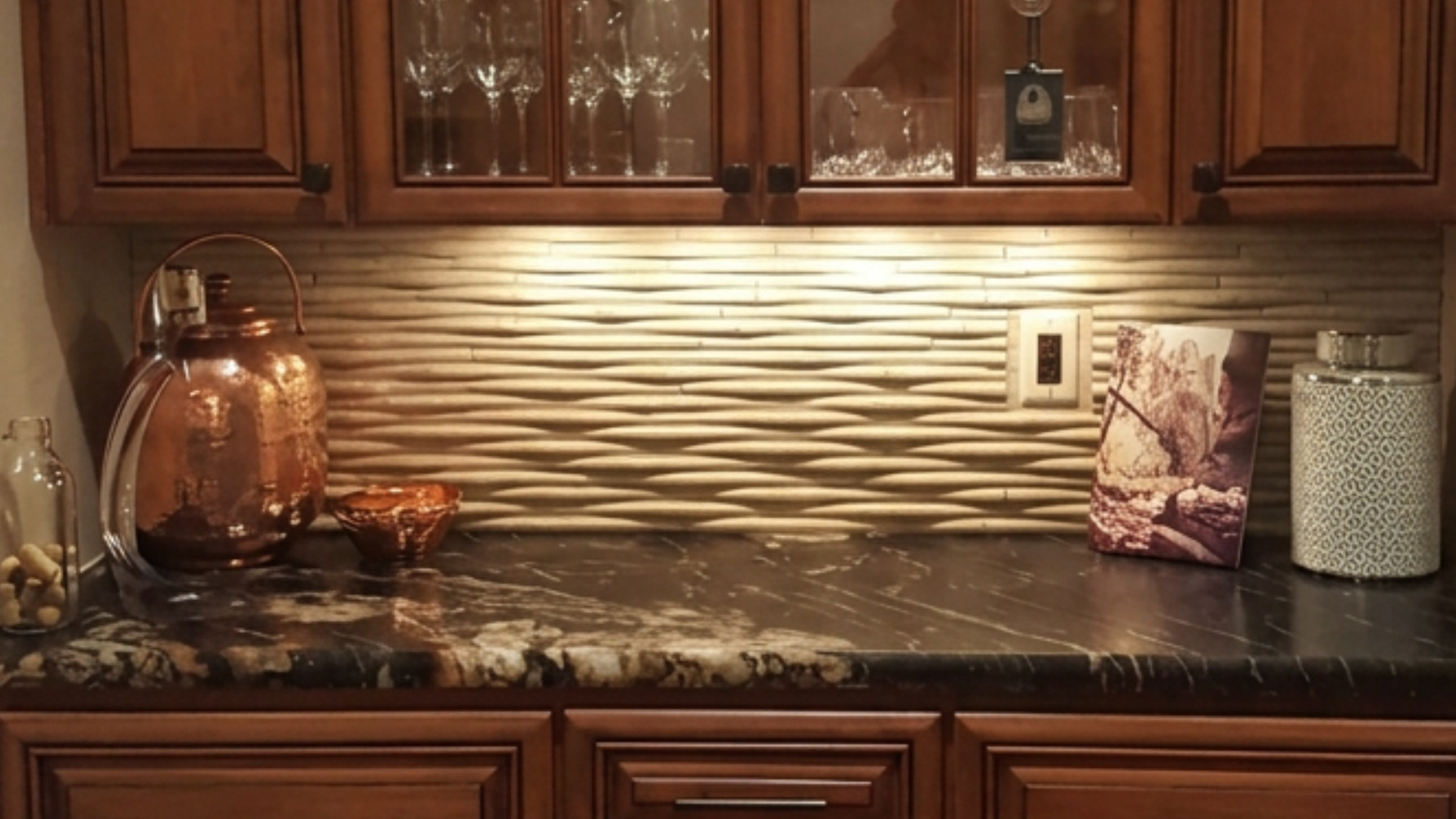
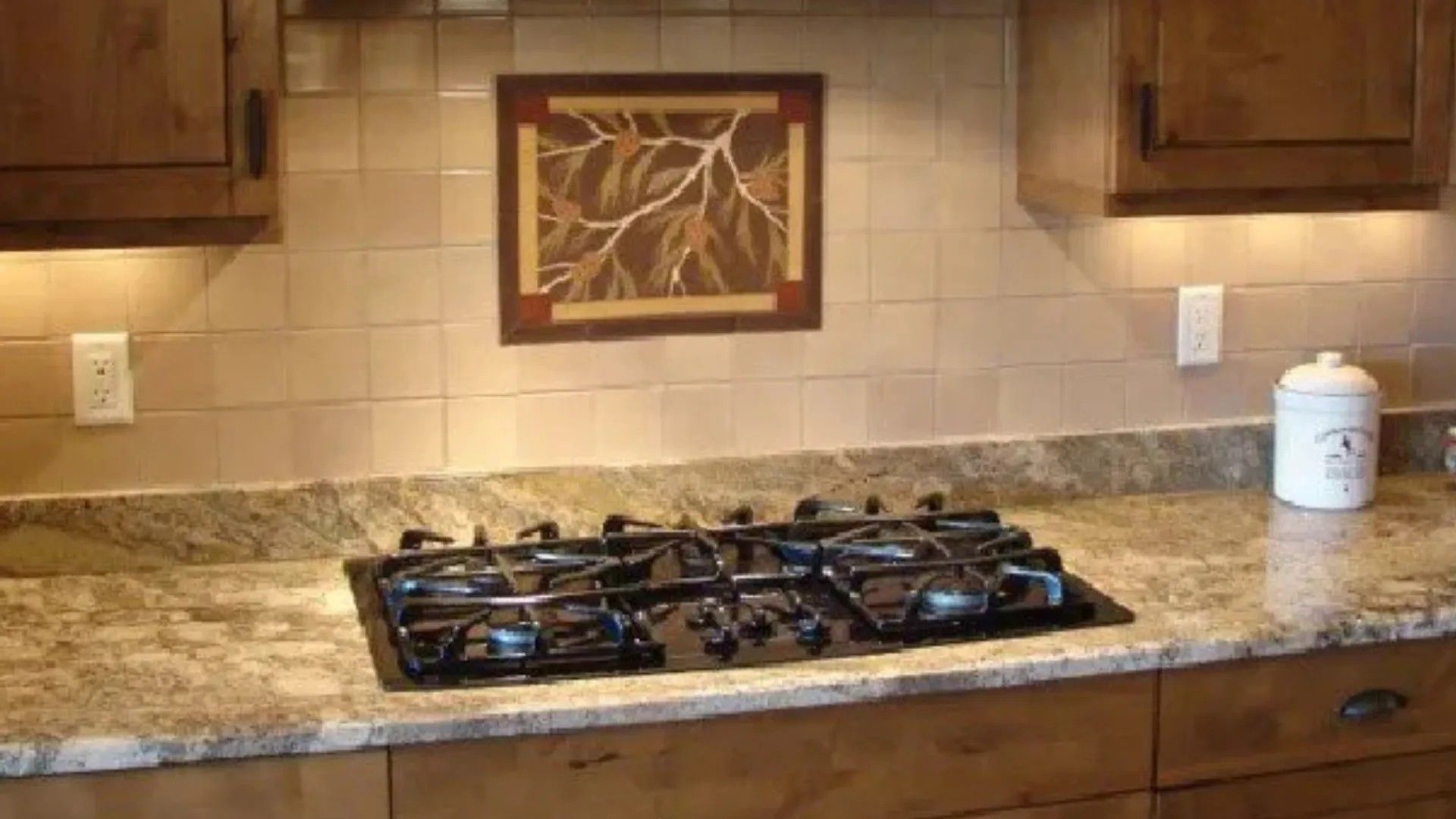
We’ve got some ceramic tiles in our showroom that are absolute stunners—especially for backsplashes and decorative borders. But when it comes to function-first spaces, porcelain’s the workhorse.
Large Format, Less Grout
Another reason people lean toward porcelain these days is grout. Nobody loves cleaning it, especially not in showers. With porcelain, you can go bigger with tile sizes, which means fewer grout lines and a more seamless, modern look.
We’re even seeing full porcelain panels being used in showers, big sheets like 5’x10’. Or in some cases, customers are choosing half-inch engineered quartz slabs for shower walls to get that zero-grout look with silicone seams instead. It’s a clean, timeless option that works great in Prescott’s climate.
Tile You Can Trust—And Live With
Choosing between porcelain and ceramic tile isn’t about trends or price tags. It’s about where it’s going, what it’s going to face, and how long you want it to last. We’ve spent decades learning these materials, not just in theory, but by installing them, maintaining them, and sometimes...replacing them when others got it wrong.
If you’re not sure what’s best for your home, come walk the showroom. We’ll help you sort through it. You don’t have to be a tile expert, that’s what we’re here for.
Bring a sketch and come see us.
Let’s find what makes you feel good.
Designing Surfaces For Your Life
Share On: