Quartz vs Granite Countertops: How Prescott Homeowners Really Decide

Matt Greenlee • February 18, 2026

Quartz vs granite countertops is one of the most common conversations we have with custom homeowners in Prescott. Both materials perform well. Both elevate your kitchen or bath. The real decision usually comes down to lifestyle, design priorities, and how you want the space to feel day to day.


After 29 years working with homeowners right here in Prescott, I’ve learned that the choice isn’t about which surface is “better.” It’s about which one fits you.


Understanding Granite: Natural and One-of-a-Kind


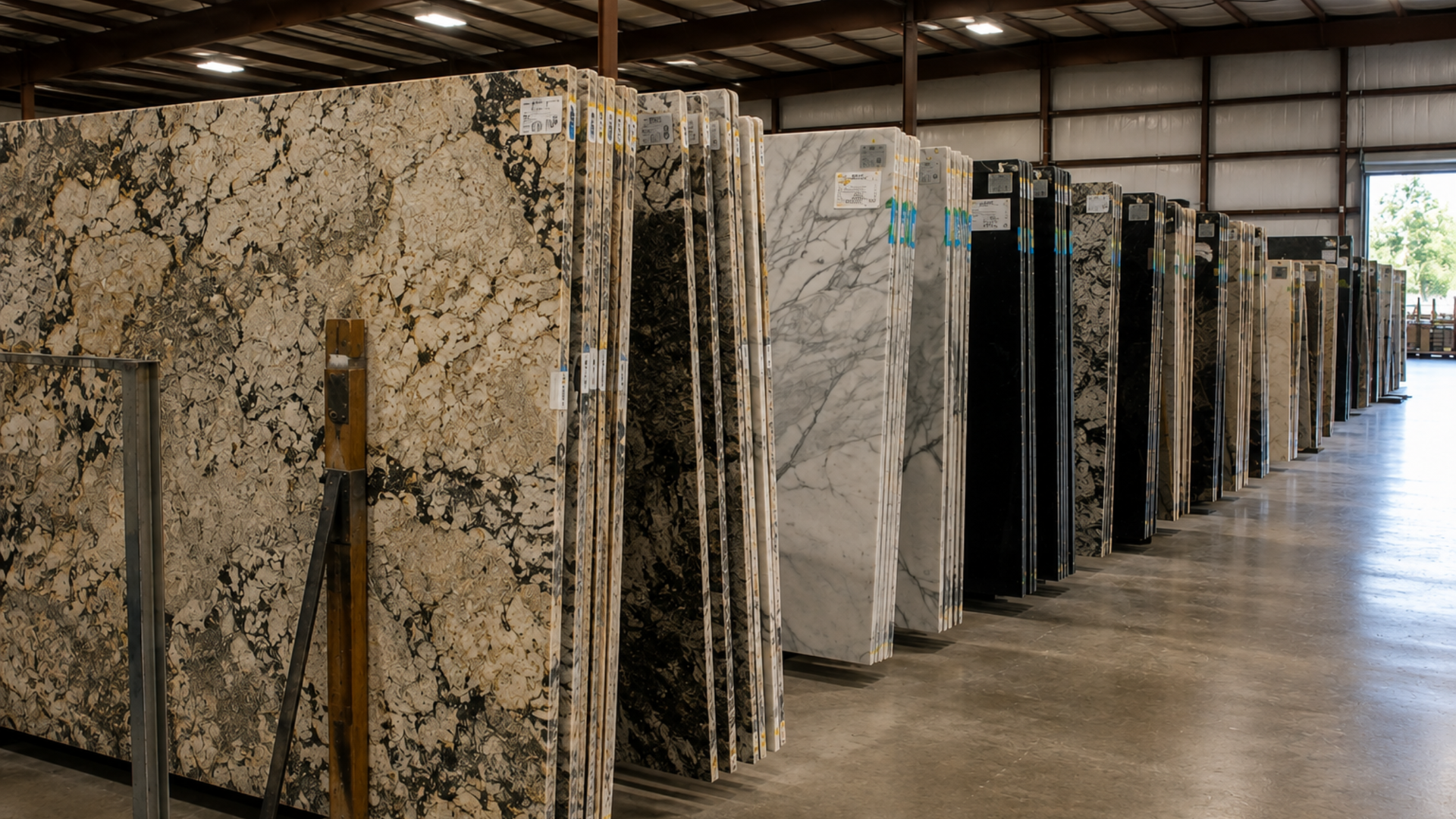
I’m a rock hound. I fall for every pretty rock I find. Granite is cut straight from the earth, and no two slabs are identical. That uniqueness draws many homeowners in.


Granite offers:


  • Natural movement and variation
  • Strong heat resistance
  • Excellent durability for active kitchens
  • A surface that can last decades with proper care


Because granite forms naturally, you’ll see variation in color, veining, and pattern. Some homeowners love that organic character. Others prefer something more controlled.


Granite does require periodic sealing. It’s not complicated, but it’s part of responsible ownership. For many of our clients, that small amount of maintenance feels worth it for the authenticity of real stone.


In Prescott’s climate, granite performs well. It handles temperature changes and daily use without issue when fabricated and installed properly.


Understanding Quartz: Controlled and Consistent


Quartz countertops are engineered using natural quartz crystals combined with resins and pigments. The result is a surface with consistent color and pattern throughout the slab.


For homeowners who want predictability, quartz offers a lot of appeal. What you see in the sample closely matches what you get across the entire kitchen.


Quartz also provides:


  • Non-porous performance without sealing
  • Strong resistance to staining
  • Consistent patterning for modern designs
  • A clean, contemporary aesthetic


Because quartz is non-porous, it doesn’t require sealing like granite. That simplicity appeals to busy households who want low maintenance.


However, quartz is not designed for prolonged direct heat exposure. We always recommend using trivets or hot pads. With proper care, it performs beautifully in custom homes.


How Prescott Homeowners Really Make the Choice


The decision often comes down to a few key questions:


Do you want natural variation or consistent design?
Do you enjoy the idea of owning real stone, or do you prefer engineered reliability?
Does your design lean organic and earthy, or clean and contemporary? Are you comfortable with occasional sealing, or would you rather avoid maintenance?


We walk through these questions with you. We look at your cabinetry, flooring, lighting, and overall layout. We talk about how you use your kitchen. Are you hosting large gatherings? Do you cook daily? Is this a primary residence or a second home?


Quartz tends to win in sleek, modern builds where uniformity supports the architecture. Granite often shines in homes that embrace warmth, texture, and natural materials.


There isn’t a universal answer. There’s only the right answer for your home.


Fabrication and Installation Matter Just as Much


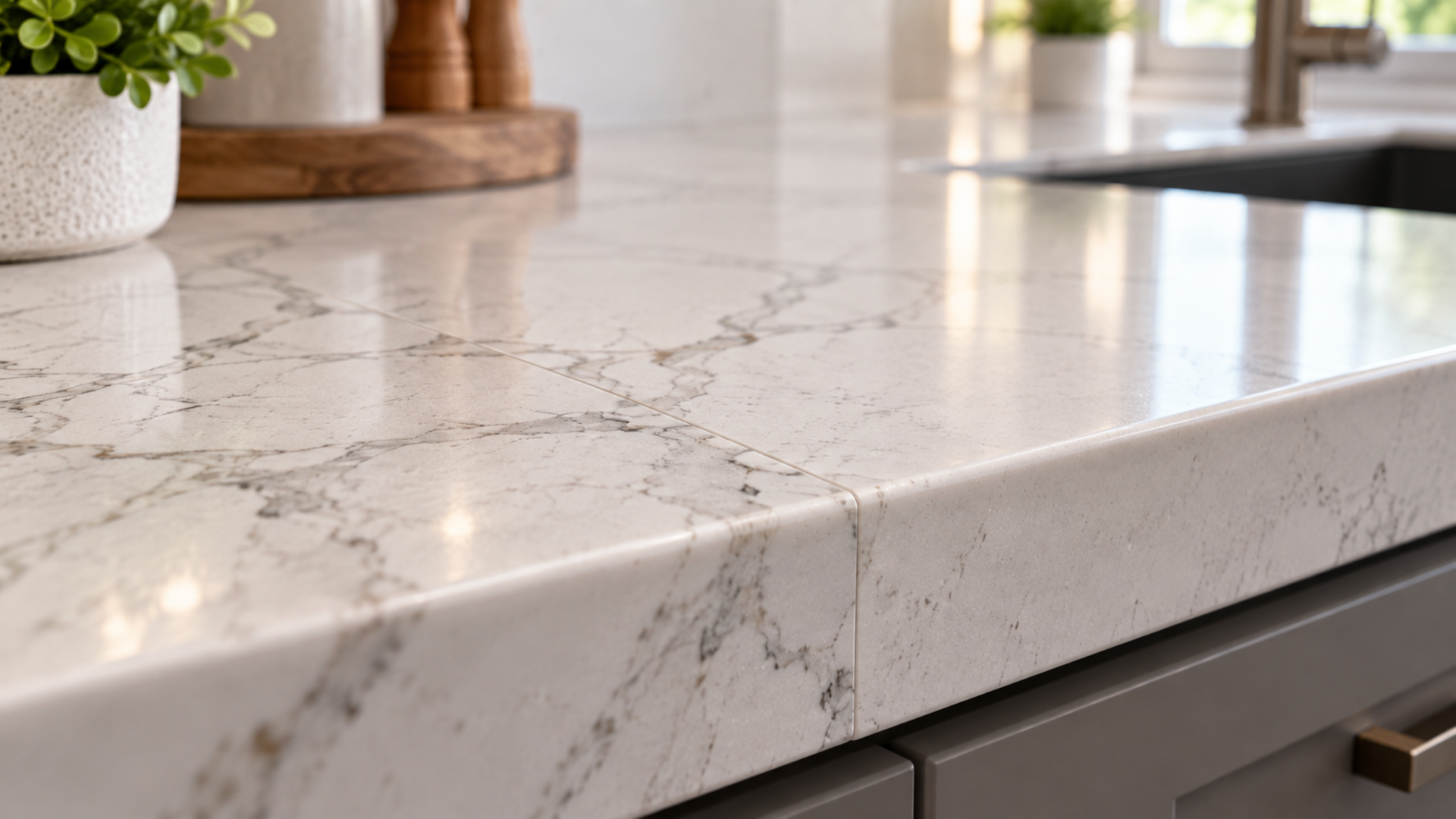
No matter which surface you choose, craftsmanship determines the final result. Seam placement, edge profiles, sink cutouts, and installation precision all influence performance and appearance.

We fabricate in-house so we control every step. We don’t hand your project off. That consistency protects your investment and ensures your countertops look intentional, not pieced together.


You don’t have to go to Phoenix to find quality materials or experienced fabrication. We’ve built our reputation in Prescott by helping homeowners make confident, informed decisions.


If you’re weighing quartz vs granite countertops, bring a sketch and come see us. Let’s lay the slabs out, talk through your vision, and figure out what makes you feel good.


Call us to get started.


Designing Surfaces For Your Life
Tile Flooring in Prescott AZ: What Holds Up In Our Prescott Climate
By Matt Greenlee February 25, 2026
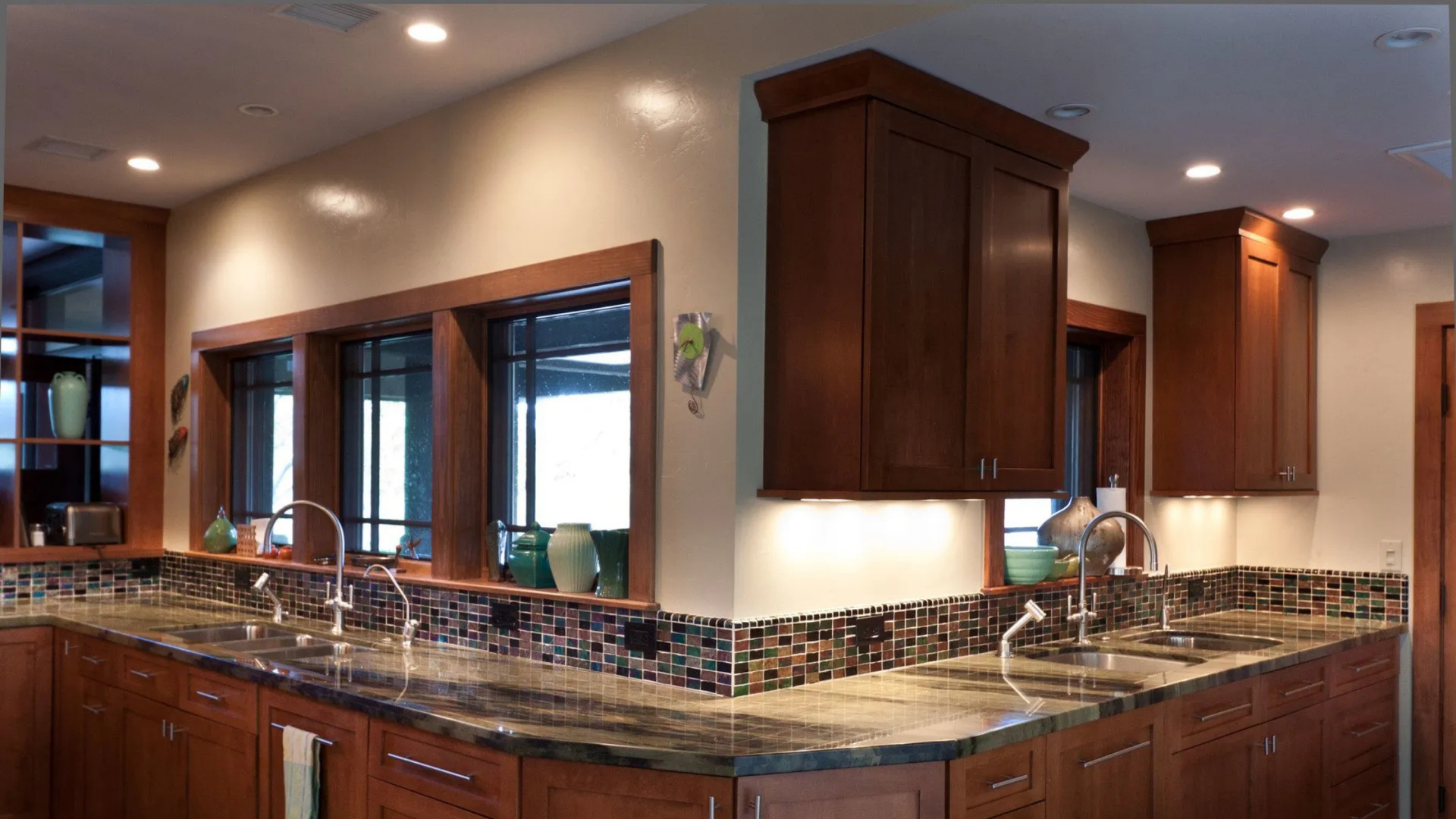
Tile flooring in Prescott, AZ needs to perform in a climate with real seasonal shifts. We see freezing winter nights, dry air most of the year, and sudden monsoon moisture in the summer. If you’re building or remodeling a custom home, your flooring should handle those changes without cracking, warping, or wearing prematurely. After 29 years serving homeowners right here in Prescott, we’ve seen what holds up—and what doesn’t.  Here’s what we guide our clients toward when durability and design both matter. How Prescott’s Climate Impacts Tile Prescott’s elevation brings temperature swings that affect building materials. Floors expand and contract as conditions change. That movement is normal, but only if the material and installation allow for it. Dry air can also draw moisture out of certain materials, while monsoon season introduces short bursts of humidity. Entryways and living areas often transition to patios or garages, which means your flooring must handle subtle environmental differences across the home. Tile remains one of the most stable flooring options in our region, but the key is choosing the right type and installing it with precision. Porcelain Tile: Durable and Design-Forward Porcelain consistently performs well in Prescott homes. It’s denser and less porous than standard ceramic, which makes it highly resistant to moisture and temperature changes. In practical terms, that means: It resists cracking during freeze-and-thaw cycles It handles radiant heat systems beautifully It stands up to daily wear in active households It requires minimal maintenance compared to softer materials For custom homeowners, porcelain also delivers design flexibility. Today’s high-end collections replicate natural wood, limestone, and concrete with remarkable realism. You can achieve a warm, organic look without sacrificing strength. If you want something that looks refined but works hard behind the scenes, porcelain is often the smart choice. Natural Stone Tile: Character That Lasts I’ll say it—I’m a rock hound. I fall for every pretty rock I find. Natural stone brings depth and personality that feels grounded and timeless. Travertine, limestone, and slate all work well in Prescott when properly selected and sealed, because they stay cool in the summer and create a solid, substantial feel underfoot. In custom homes, stone tile often extends from interior spaces to covered patios, creating a seamless flow. That said, stone is more porous than porcelain, so it requires sealing and thoughtful maintenance to protect against staining and wear. With the right preparation and expert installation, natural stone holds up beautifully in our climate and develops character over time. We make sure you understand both the benefits and the responsibilities before you commit. Large Format Tile in Modern Custom Homes Large format tile continues to grow in popularity across Prescott’s custom builds. Fewer grout lines create a clean, expansive look that complements open floor plans and contemporary design. Performance depends heavily on preparation. Large tiles demand a properly leveled substrate and precise installation. Even small inconsistencies can show through in the finished floor. This is where craftsmanship matters. You can feel the difference in a floor that’s been laid with care. Clean transitions, balanced layout lines, and consistent spacing elevate the entire space. Installation Matters as Much as Material The best tile in the world won’t perform if it’s installed poorly. Proper expansion joints, correct underlayment, and professional setting techniques protect your investment. We interpret a lot of that all the time. Our job is to make the technical side simple for you, so you can focus on how the space will look and feel. You don’t have to go to Phoenix for expertise. We’ve been serving Prescott homeowners for decades, and we understand how local conditions affect your surfaces. We don’t install tile flooring ourselves. We stay focused on what we do best—fabricating and installing premium surfaces. But we’ve been here long enough to know the right tile contractors in town. If you’re building or remodeling, we’re happy to connect you with someone who takes as much pride in their work as we do. Just ask. Bring a sketch and come see us. Let’s talk through your vision and find what makes you feel good. Call us at 928-717-1814 to get started. Designing Surfaces For Your Life
The Countertop Installation Process: What Happens If You Rush It
By Matt Greenlee February 11, 2026
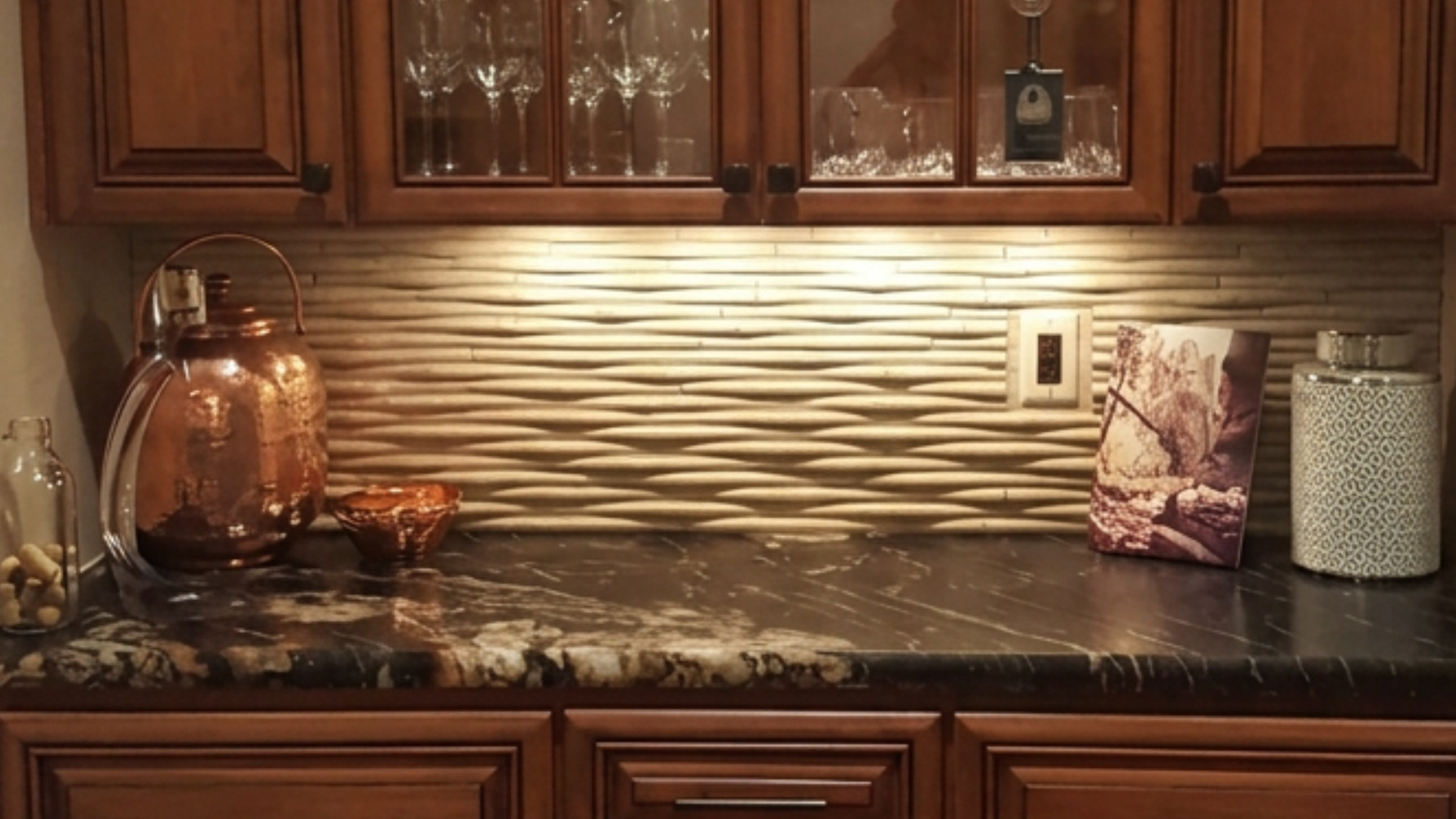
The countertop installation process requires precision, timing, and coordination. When done correctly, it delivers a seamless finish that elevates the entire room. When rushed, it creates problems that can affect both appearance and long-term performance. As a custom homeowner in Prescott, you’re making a significant investment, and it deserves the right process from start to finish.  After 29 years in this business, we’ve seen what happens when steps get skipped or compressed. Let’s walk through why timing matters, and what’s at stake. Templating: The Foundation of Accuracy Every successful installation begins with accurate templating. This step captures exact measurements of your cabinets, walls, and layout. It accounts for appliance placement, sink locations, overhangs, and finished edges. If someone rushes this phase, small errors multiply quickly. A wall that’s slightly out of square or a cabinet run that’s off by a fraction can throw off the entire slab layout. We take the time to verify dimensions on site. We confirm that cabinets are fully secured and level before we ever measure. If cabinetry isn’t ready, we pause. It’s better to wait a few days than to force a slab into a space that isn’t prepared. Precision here prevents costly corrections later. Slab Selection and Layout: Design Meets Planning I’m a rock hound. I fall for every pretty rock I find. But falling in love with a slab isn’t enough. We have to plan how it will lay out across your kitchen or bath. Veining direction, seam placement, cutouts, and overhangs all require careful thought. When someone rushes fabrication, they may ignore how the pattern flows across seams or around a sink. That’s when you see mismatched movement or awkward transitions. In high-end homes, those details matter. A properly planned layout creates visual continuity and balance. A rushed one looks disconnected. We interpret a lot of that all the time. Our job is to make sure your slab looks intentional once it’s installed. Fabrication: Where Craftsmanship Shows Fabrication transforms raw material into a finished countertop. This stage includes cutting, polishing, edge detailing, and reinforcing areas around sinks or cooktops. When shops rush fabrication, problems often show up in these ways: Rough or uneven edge profiles Inadequate support around sink cutouts Chips along seams or corners Poor polish consistency Inaccurate cutouts for appliances Those issues don’t just affect the aesthetic. They can weaken the structure of the countertop over time. We fabricate in-house so we control every step. No outsourcing, and no hand-offs. That control allows us to slow down where it matters and maintain consistent quality from start to finish. Installation Day: Not the Time to Hurry Installation day should feel organized and deliberate. Our team dry-fits pieces, checks seam alignment, confirms level surfaces, and secures each section properly. When installers rush, seams can sit unevenly. Adhesives may not cure correctly. Support brackets might get skipped. Even something as simple as not allowing proper set time can create long-term stress points in the material. Countertops are heavy. They rely on proper cabinet support and correct installation techniques. If something feels forced into place, it usually means something underneath isn’t right. That’s why we don’t treat installation as a race. We treat it as the final step in a carefully managed process. The Cost of Cutting Corners Rushing the countertop installation process can lead to: Visible seams that distract from the design Cracks near sinks or cooktops Stress fractures from improper support Voided manufacturer warranties Expensive rework down the road None of that aligns with the expectations of a custom home. You don’t have to go to Phoenix for quality craftsmanship. We’ve built our reputation right here in Prescott by doing things the right way, even when that means taking a little more time. If you’re planning a kitchen or bath project, bring a sketch and come see us. We’ll walk you through the process so you know exactly what to expect—and why each step matters. Call us at 928-717-1814 to get started. Designing Surfaces For Your Life
Porcelain vs Ceramic Tile: What the Difference Means in Prescott Homes
By Matt Greenlee February 2, 2026
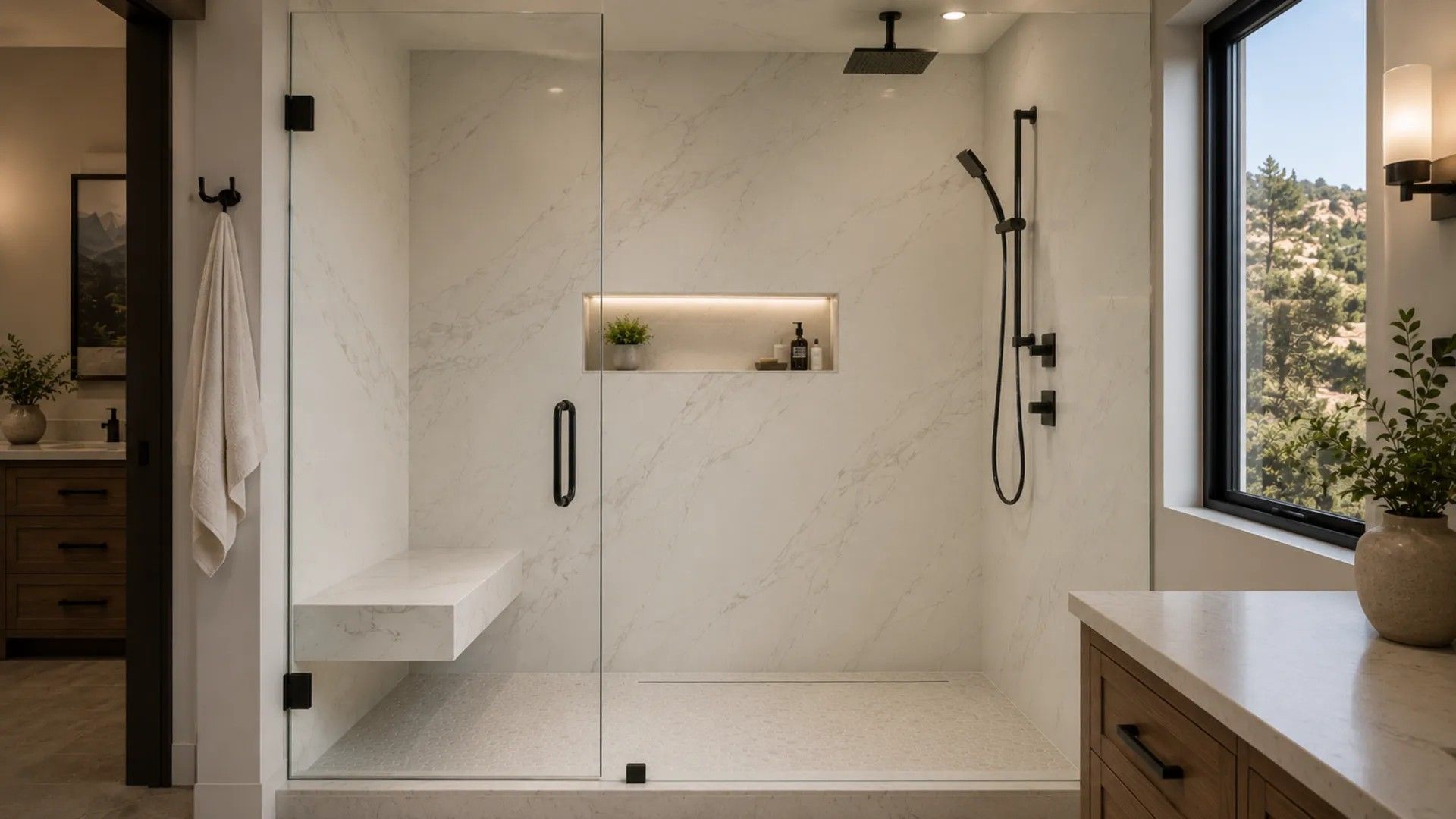
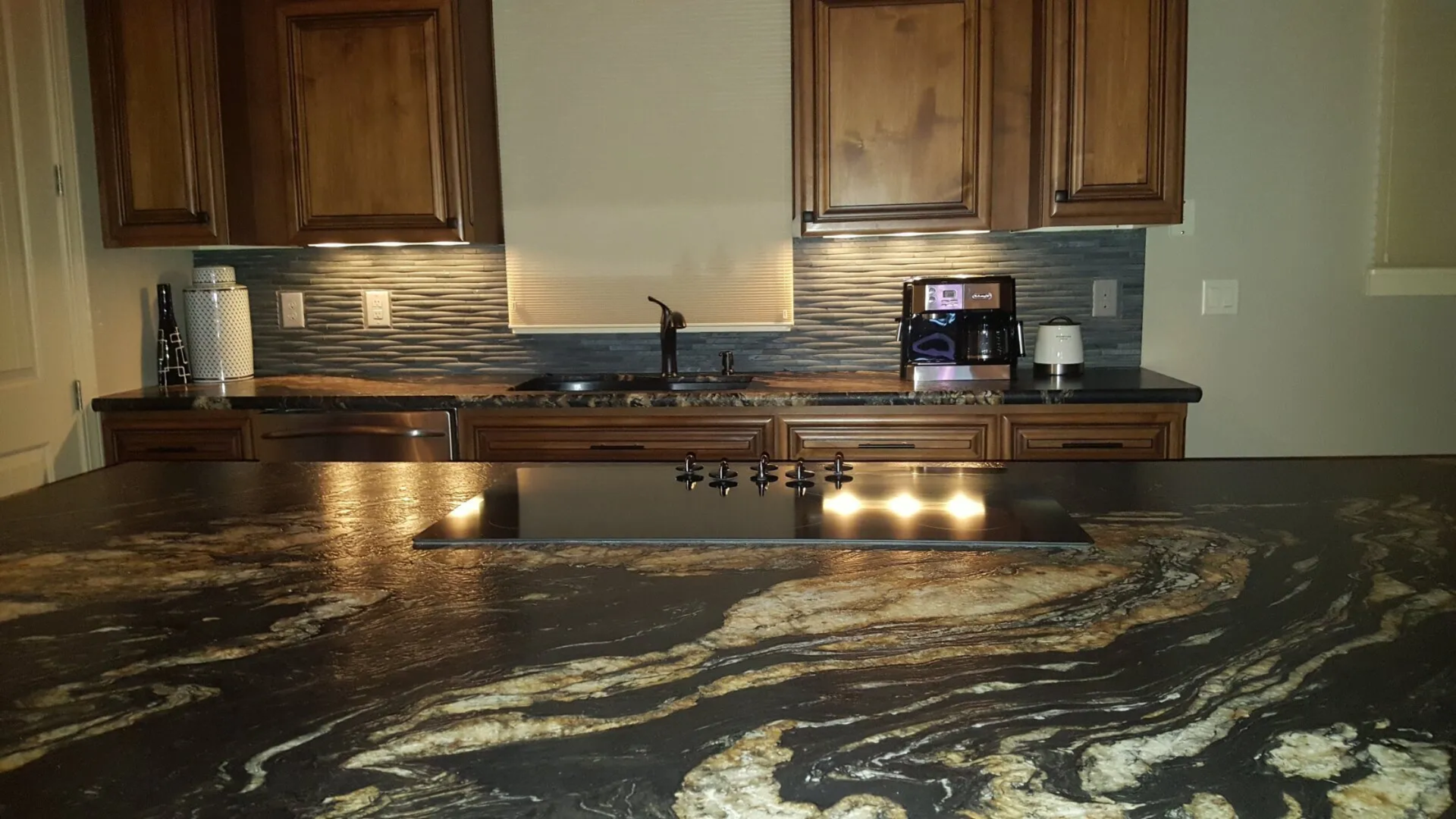
There’s a lot of confusion out there when it comes to porcelain and ceramic tile . The two look similar, and most folks don’t think about the difference until something chips, cracks, or starts peeling off in the cold.  Here in Prescott, where our temperature swings can be dramatic and unpredictable, understanding this difference isn’t just helpful, it’s essential. Because when tile fails, it’s not always the installer or the grout. Sometimes, it’s the material itself, and whether it was the right one for the job. It All Comes Down to Water Absorption Here’s the number one difference: water absorption. Ceramic tile absorbs more water. That’s fine for indoor, dry environments. But in Prescott, where we deal with freeze-thaw cycles, that water can become a real problem. Once moisture gets into the tile body and then freezes? There’s no stopping it. “There really isn't a force on this planet that is as extreme as water freezing.” It expands, and it breaks the tile from the inside out. Porcelain tile, on the other hand, has a much lower absorption rate, less than half of one percent. That makes it the best choice for outdoor areas, wet spaces, and anywhere exposed to extreme shifts in temperature. Freeze-Thaw Is No Joke Here in Prescott, it might be 18 degrees when you leave for work and 65 when you get home. If you’ve got tile outside, or even on a poorly sealed shower wall, those temperature shifts start to matter. Ceramic tile starts spalling (the glaze pops off), mortar separates, and soon your beautiful tile job looks like it’s been through a war. That’s why we always recommend porcelain tile for: Outdoor patios Entryways Shower walls with high exposure Any space that sees temperature fluctuation or consistent moisture We’ve seen the damage that happens when people use the wrong product in the wrong place. And we’ve fixed it, more times than we can count. It’s Not Just About Durability Durability matters, but there’s more to consider. Each material has its own look, feel, and design strengths . And that’s where we help homeowners get creative, while still making smart choices. Here’s a quick breakdown: Porcelain Tile Lower water absorption (less than 0.5%) Best for outdoor or wet areas Allows for large format tiles without warping (12x24, 24x24 and larger) Harder, more dense, and frost-resistant Realistic stone and wood looks via inkjet glazing Ceramic Tile Higher absorption (5–7%) Best used indoors and on walls Often hand-painted or decorative Offers more glaze and color variety More affordable for certain applications We’ve got some ceramic tiles in our showroom that are absolute stunners—especially for backsplashes and decorative borders. But when it comes to function-first spaces, porcelain’s the workhorse. Large Format, Less Grout Another reason people lean toward porcelain these days is grout. Nobody loves cleaning it, especially not in showers. With porcelain, you can go bigger with tile sizes, which means fewer grout lines and a more seamless, modern look. We’re even seeing full porcelain panels being used in showers, big sheets like 5’x10’. Or in some cases, customers are choosing half-inch engineered quartz slabs for shower walls to get that zero-grout look with silicone seams instead. It’s a clean, timeless option that works great in Prescott’s climate. Tile You Can Trust—And Live With Choosing between porcelain and ceramic tile isn’t about trends or price tags. It’s about where it’s going, what it’s going to face, and how long you want it to last. We’ve spent decades learning these materials, not just in theory, but by installing them, maintaining them, and sometimes...replacing them when others got it wrong. If you’re not sure what’s best for your home, come walk the showroom. We’ll help you sort through it. You don’t have to be a tile expert, that’s what we’re here for. Bring a sketch and come see us. Let’s find what makes you feel good. Designing Surfaces For Your Life
Shower Tile Ideas for Timeless Bathrooms
By 7006927748 February 2, 2026
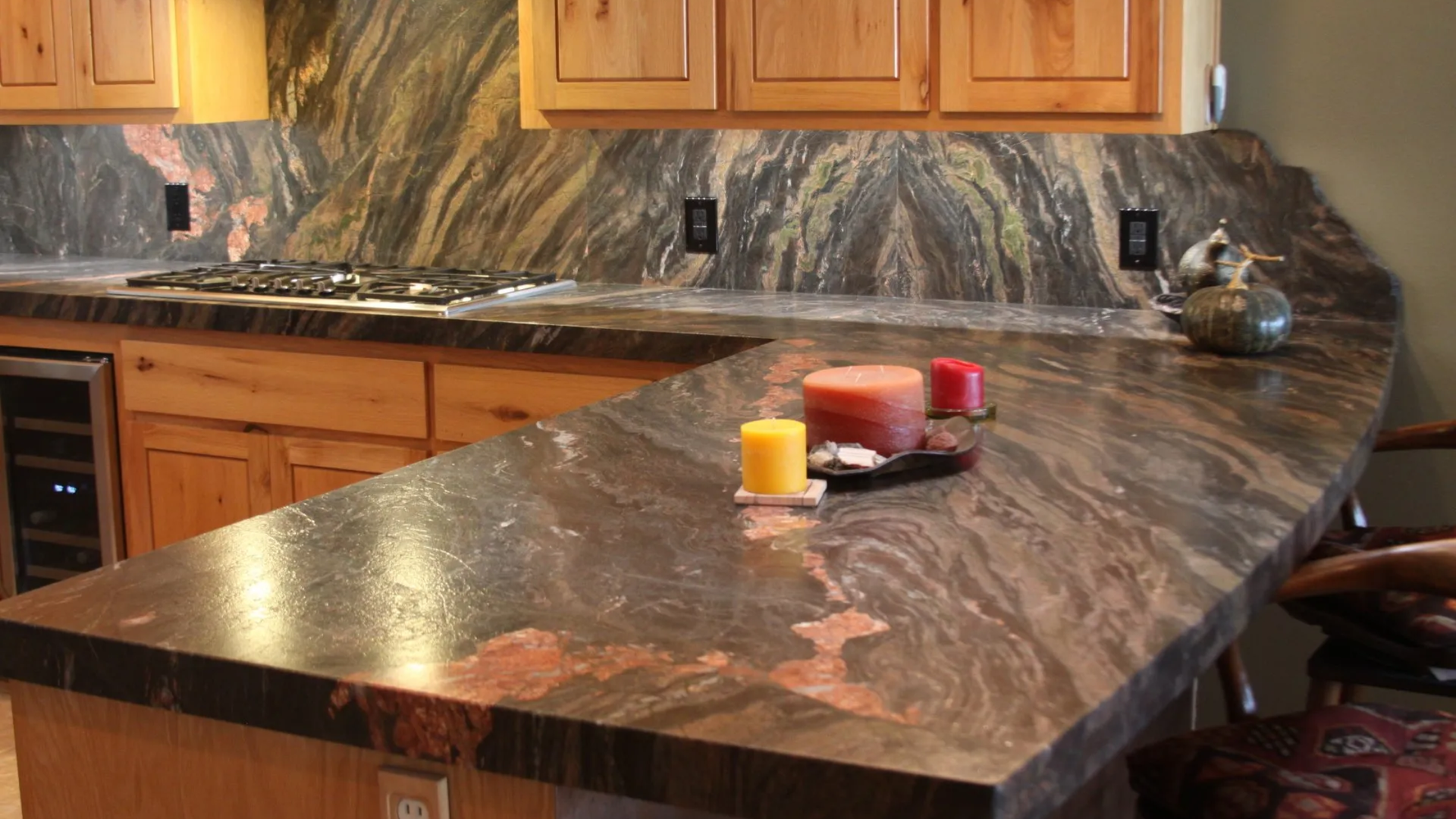
Bathrooms are one of those spaces where design and durability have to live side by side. A shower might be small on square footage, but it’s big on daily use—and it’s where materials really get put to the test. When customers ask us what’s “in style,” we always bring the conversation back to something more lasting: What’s going to look good ten years from now? And just as important, what’s going to hold up in Prescott’s unique environment? Let’s talk through some shower tile ideas that balance beauty, function, and timeless appeal, based on what we’re actually seeing work in homes right here in our community. Patterns That Endure If you walk through our tile section today, one thing you’ll notice is how many people still gravitate toward offset patterns. Also known as a brick joint or a 33% offset, it’s a layout that softens the look of long rectangular tiles and keeps your eye moving without feeling too busy. We’re also seeing a return of random staggered layouts, especially when people want to avoid symmetry that feels too formal. These layouts create flow and feel a little more relaxed, which works beautifully in bathrooms that blend modern and rustic styles. And no matter the layout, accent bands are still going strong—both horizontal and vertical. These little design choices give a shower personality without overwhelming the space. Large Format Tiles = Less Grout If you’ve lived in Prescott for a while, you know our hard water doesn’t play nice with grout. That’s why large format tiles are having a moment—not just for aesthetics, but for maintenance. We’re seeing more and more homeowners choosing 12x24 or even 24x48 tiles in their showers. The bigger the tile, the fewer grout lines you have to scrub. And for folks who really want a seamless, slab-like look, we’re even installing full porcelain panels that run floor to ceiling in a single piece. More than a trend, it’s a solution to a real problem. Less grout means less to clean, fewer spots for mildew to hide, and a sleeker overall feel. Materials That Make a Difference When it comes to choosing tile materials for showers, durability and water resistance are key. That’s why porcelain tile continues to be our top pick. It has a super low absorption rate, which means it won’t soak up moisture and start breaking down over time. In other words—it won’t come apart on you. But there’s also a growing interest in engineered quartz shower walls. With quartz now being fabricated in half-inch slabs, it’s easier to handle and install in vertical spaces. These slabs practically eliminate grout lines altogether and offer a clean, modern look that’s as durable as it is beautiful. We’re working on a few showers right now using these half-inch quartz slabs. Besides the shower floor (which still needs some texture for slip resistance), the walls are all sleek, solid surfaces with silicone joints instead of grout. It’s stunning—and it solves a lot of the maintenance headaches people have had with tile over the years. Features That Feel Personal What we love most is helping homeowners design a shower that feels like them . And the details matter. Here are a few elements we’ve been incorporating more often: Vertical mosaic bands for a spa-like vibe Recessed niches that blend into the tile for a cleaner look Mixed textures like matte body tile with glossy accents Natural stone-look porcelain that brings warmth without the upkeep Silicone-seamed quartz slabs for a grout-free finish These choices blend functionality with style, creating a shower that will stand the test of time and look beautiful in your home. Let’s Design a Shower That Holds Up Timeless doesn’t have to mean boring. It means making smart design choices that feel good now and still feel right years down the road. Whether you lean classic or modern, we’ll help you find the balance of style, durability, and ease of maintenance that works in your life.  Come walk our showroom . Touch the tile. See the slabs. Let’s find what speaks to you. Bring a sketch and come see us. Let’s find what makes you feel good. Designing Surfaces For Your Life
By Matt Greenlee January 20, 2026
The body content of your post goes here. To edit this text, click on it and delete this default text and start typing your own or paste your own from a different source.
Lifespan & Value: Are Quartz Countertops a Long-Term Investment?
By Matt Greenlee January 13, 2026
The body content of your post goes here. To edit this text, click on it and delete this default text and start typing your own or paste your own from a different source.
Natural Stone Finishes: Polished, Honed, Leathered — What’s Right for You
By Matt Greenlee December 22, 2025
When you choose a natural stone countertop , the finish plays a big role in how it looks, feels, and functions in your space. Whether you're remodeling a kitchen or designing a custom bath, understanding the difference between polished, honed, and leathered finishes helps you make the right decision for both style and daily use. At Greenlee, we walk through this with every customer—because your surface should feel as good as it looks, and last just as long. What a Finish Really Does A stone’s finish changes how it reflects light, resists wear, and responds to touch. The same slab of granite or marble can have a completely different personality depending on how it's finished. Polished surfaces shine and reflect, honed ones are smooth and matte, and leathered textures bring out natural movement and grain. Choosing a finish is part of making your surface fit the way you live. Polished: Classic and Reflective This is the most common finish you'll see in kitchens and bathrooms. A polished stone has a glossy, mirror-like surface that enhances the depth and color of the stone. It’s smooth to the touch and easy to clean. Polished finishes are a great fit for traditional or upscale spaces where you want the countertop to make a visual impact. They’re also highly resistant to stains and moisture when properly sealed. What to consider: A polished surface will show fingerprints and smudges more easily, especially on darker stones or in high-traffic areas. If you're after low-maintenance shine, we’ll guide you to the right stone to match. Honed: Soft and Subtle A honed finish is smooth but not shiny. It has a matte or satin appearance that works well in contemporary, rustic, or transitional spaces. Honed finishes soften the color and pattern of the stone, offering a more muted, refined look. These surfaces are great in bathrooms or spaces where you want less glare and more texture. Honed finishes also make imperfections or etching less noticeable—especially on marble or lighter stones. Keep in mind: Honed stone can be slightly more porous than polished, so we recommend sealing it regularly. That said, if you're drawn to a softer, low-sheen aesthetic, this finish is hard to beat. Leathered: Textured and Natural Leathered finishes are growing in popularity—and for good reason. This process creates a lightly textured surface with a soft, tactile feel. It’s a great way to add depth and dimension without the high gloss of a polished slab. Leathering brings out the natural character of the stone—especially in darker granites—and hides fingerprints, water spots, and smudges better than polished or honed. It also adds a more organic, lived-in feel to kitchens and outdoor spaces. Things to know: Leathered surfaces aren’t totally smooth, so they may not be ideal for every task or material. That’s something we’ll walk through with you based on your layout and lifestyle. Which One Fits Your Life? Your finish should match how you use the space, not just how it looks in a showroom. That’s why we spend time getting to know what you’re designing, how you cook, clean, and live in your home. Here’s how to start narrowing it down: Polished: Best for formal kitchens, baths, and showpieces Honed: Ideal for soft, relaxed spaces or natural light rooms Leathered: Great for hiding wear, adding texture, and grounding the design Think about lighting—natural light can exaggerate shine or flatten matte surfaces Consider who’s using the space—kids, guests, entertaining all play a role Bring cabinet and flooring samples—we’ll look at everything together The Greenlee Difference We help design natural stone finishes to fit your life. That includes walking you through samples, showing how each finish reacts to light, and sharing what we’ve seen work in similar homes across Prescott. You don’t have to go to Phoenix. Bring your ideas and come see us in Prescott—we’ll help you find a finish you’ll love for years. Designing Surfaces For Your Life
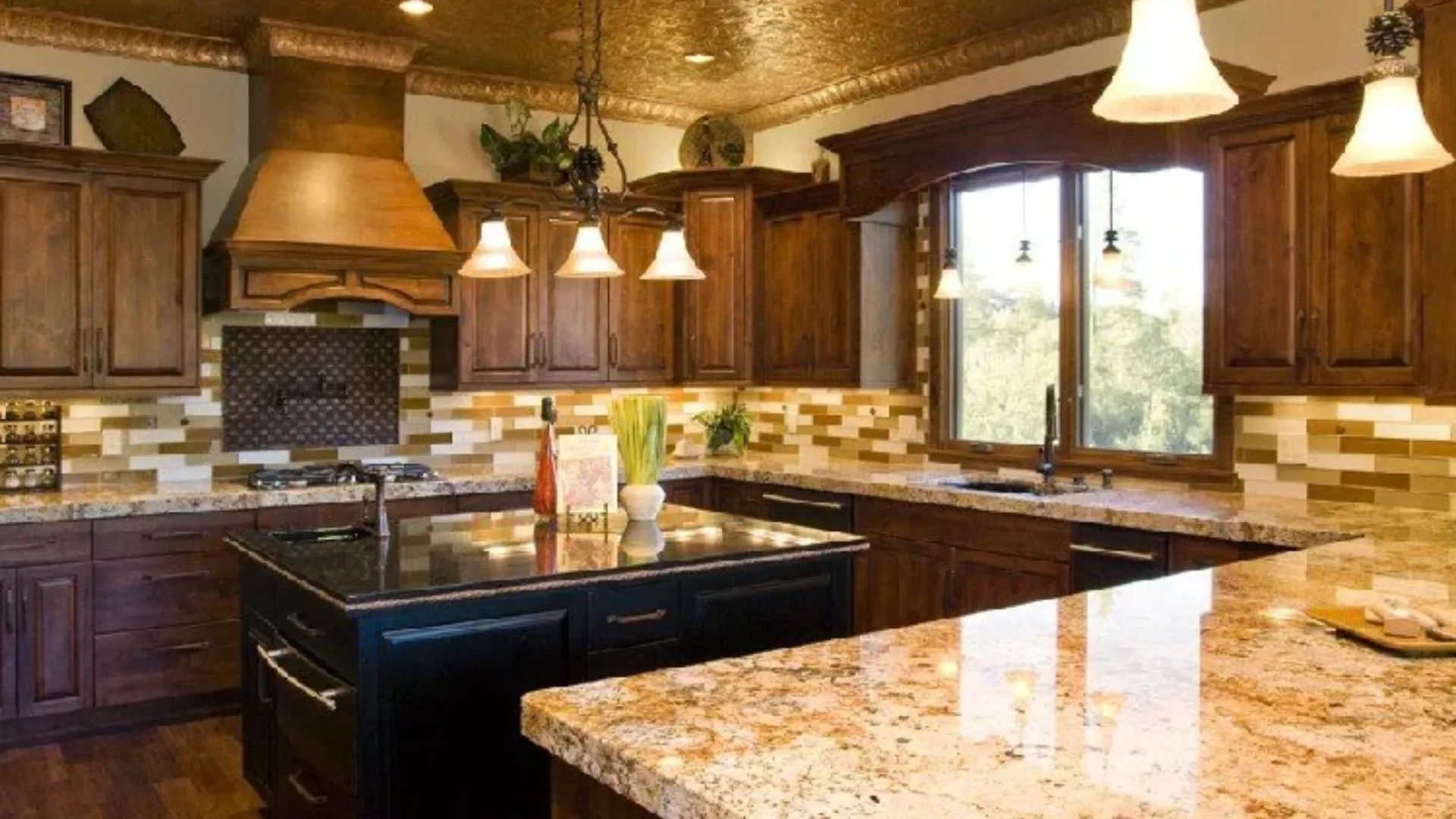
Quality Matters: Why the Right Granite Slab Makes All the Difference
By Matt Greenlee December 22, 2025
Not all granite is created equal. For custom homeowners building or remodeling in Prescott, choosing the right slab isn’t just about the aesthetic—it’s about performance, precision, and long-term satisfaction. At Greenlee , we’ve spent 27 years helping customers see and feel the difference that quality granite makes. Here’s what to know when selecting the right slab, and why it pays to work with a local, in-house fabricator who knows how to guide you through it. What You Can’t See in a Slab Photo Granite looks beautiful in online galleries and showrooms, but quality goes beyond appearances. Two slabs of the same color may vary in density, veining, durability, and polish integrity. That’s why material selection should always be done in person, with expert guidance. When you walk our yard, you’ll see and touch the actual slab that’s going into your home—not just a sample. You’ll get to inspect the finish, check for consistency, and evaluate whether the movement and color will enhance the flow of your space. Why 3cm Granite Makes a Difference At Greenlee, we use 3cm material as our standard because it’s the right material for long-lasting, high-end countertops . That extra thickness means no need for a plywood subtop, which eliminates one more thing that could fail over time. It’s also more rigid and better able to support weight across large spans like islands. Beyond function, 3cm just looks better. It delivers the substantial, finished feel that high-end kitchens and baths deserve. Our Process Protects Your Vision Because we fabricate and install everything in-house, we can control the outcome from start to finish. That means we’re not guessing what your material will look like once it’s cut—it’s all mapped out with your goals in mind. Here’s how we help ensure your slab is the right fit: We walk the yard with you and point out natural characteristics in each stone. We help you understand how your lighting, cabinet tones, and layout will interact with the slab. We template with precision so we can lay out each cut to highlight the best parts of the stone. We finish the edges with craftsmanship you can feel—no shortcuts, no handoffs. What to Watch Out For Some suppliers may show you a slab but send a different one to fabrication. Or they may outsource the cutting and installation, leaving you without a clear point of contact if something goes wrong. That’s not how we work. When you choose Greenlee, you’re getting the team that selects, fabricates, installs, and stands behind your countertops—right here in Prescott. No middlemen. No runaround. Here are a few red flags to avoid when selecting granite: Slabs that feel overly porous or rough to the touch Inconsistent polish or pitting on the surface Thin (2cm) material requiring additional support Lack of transparency about where and how the slab will be fabricated Quotes that leave out edge profiles, seam placement, or installation details It’s a Big Investment—We Treat It That Way Your countertops aren’t just another line item, they’re a focal point in your home. They need to perform under daily use, look beautiful in every light, and last for decades. That’s why we take the time to walk you through every step, from slab selection to install day. I’m a rock hound. I fall for every pretty rock I find—but I also know what makes one slab a better investment than another. Our goal isn’t to sell you stone. It’s to help you choose the one that fits your space, your lifestyle, and your long-term needs. Bring a sketch. Ask questions . Come see us. Designing Surfaces For Your Life
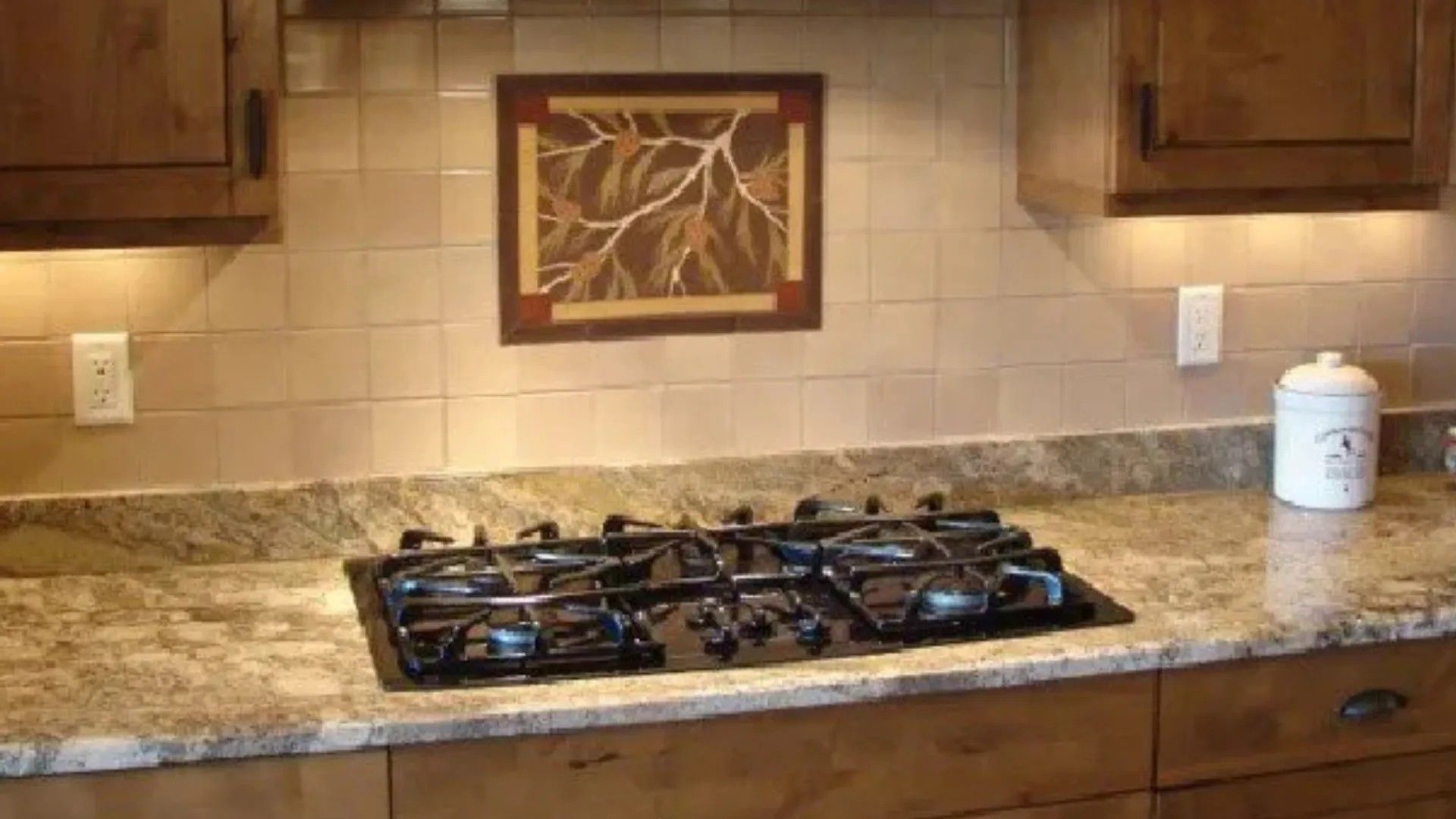
Quartz Countertops That Outlast Trendy Finishes (Yes, You Can Choose Smart)
By Matt Greenlee December 9, 2025
When people ask me about quartz, they’re almost always trying to make a choice that will hold up—not just physically, but stylistically. I hear things like, “I don’t want something that’s going to look dated in five years,” or, “Is this finish going to stick around?” After 27 years of working with homeowners, designers, and builders here in Prescott, I can tell you: Yes, you can choose smart. Quartz gives you a path to long-lasting style if you know what to look for.  Trends come and go. But the right quartz countertop has a quiet confidence to it; something that stays in step with shifting color palettes without ever looking tired. And that’s what I want to walk you through. Why Quartz Holds Up So Well Over Time One thing I’ve seen over the years is that subtle patterns age far better than bold ones. In a lot of the trendy colors hitting the market, manufacturers lock onto whatever’s popular in the moment—strong veining, big splashes of color, high contrast. And while those look great for the season, they can become the avocado-green appliances of tomorrow. But quartz designs with softer patterns . . . those stay right in the flow of design trends. They blend with light gray tones, warm whites, creams, golds—colors that continue to show up year after year in cabinets, backsplashes, and flooring. That subtlety gives you freedom to redesign a bathroom or kitchen around your countertop without replacing it every time you update paint or hardware. The Colors and Patterns That Stand the Test of Time In the last few years, we’ve seen grays fade a bit while white backgrounds and very light gray bases continue to stay strong. If you want something with staying power, that’s where I’d start. And quartz with a soft combination of gray and gold veining tends to be even more flexible—you can match that to warm woods, modern whites, painted cabinets, or natural finishes. Bold designs are fun, but subtle patterns are what I recommend for long-term durability of style. Here’s what I consider “safe bets” when you’re thinking long term: Light, soft-patterned quartz Whites with gentle gold or gray veining Cream tones with low contrast Very light grays that don’t pull too blue Patterns that mimic natural stone without being overly dramatic Those are the materials that “stay in the moving trends,” as I like to say. They evolve with your space rather than limiting your choices down the road. What About Other Finishes—Are They Trendy or Timeless? People sometimes ask whether finishes themselves—polished, honed, leathered, suede—come and go. In my experience, those aren’t falling in or out of favor as much as folks think. Polished is still the most common, but satin, matte, or suede finishes have carved out a solid place. A few things to know: Matte or suede quartz finishes look great, but they do take a little more attention to keep clean. Because of the micro-texture, they tend to “grab onto” stains more easily. They come out, but they take a bit more care. Darker quartz in matte finishes can show hard water deposits and oils more easily than lighter ones. Hard water is white, so it’s more visible on darker colors. Polished finishes are the easiest to maintain and still the most popular for busy kitchens. If you love the look of a matte finish, choose a lighter color and you’ll have a much easier time day to day. Choosing Smart Means Choosing What Works for Your Life Quartz gives you options—timeless options—when you know what to look for. I’m always going to steer people toward materials that give them long-term value. You’re investing in something you’ll see and touch every day. You want it to feel good five, ten, twenty years down the line. If you want to talk through the subtle patterns, the durable finishes, and the quartz designs that really do stay in style, bring a sketch and come see us in our Prescott showroom . We’ll help you explore what feels right and fits your space for the long haul. Designing Surfaces For Your Life
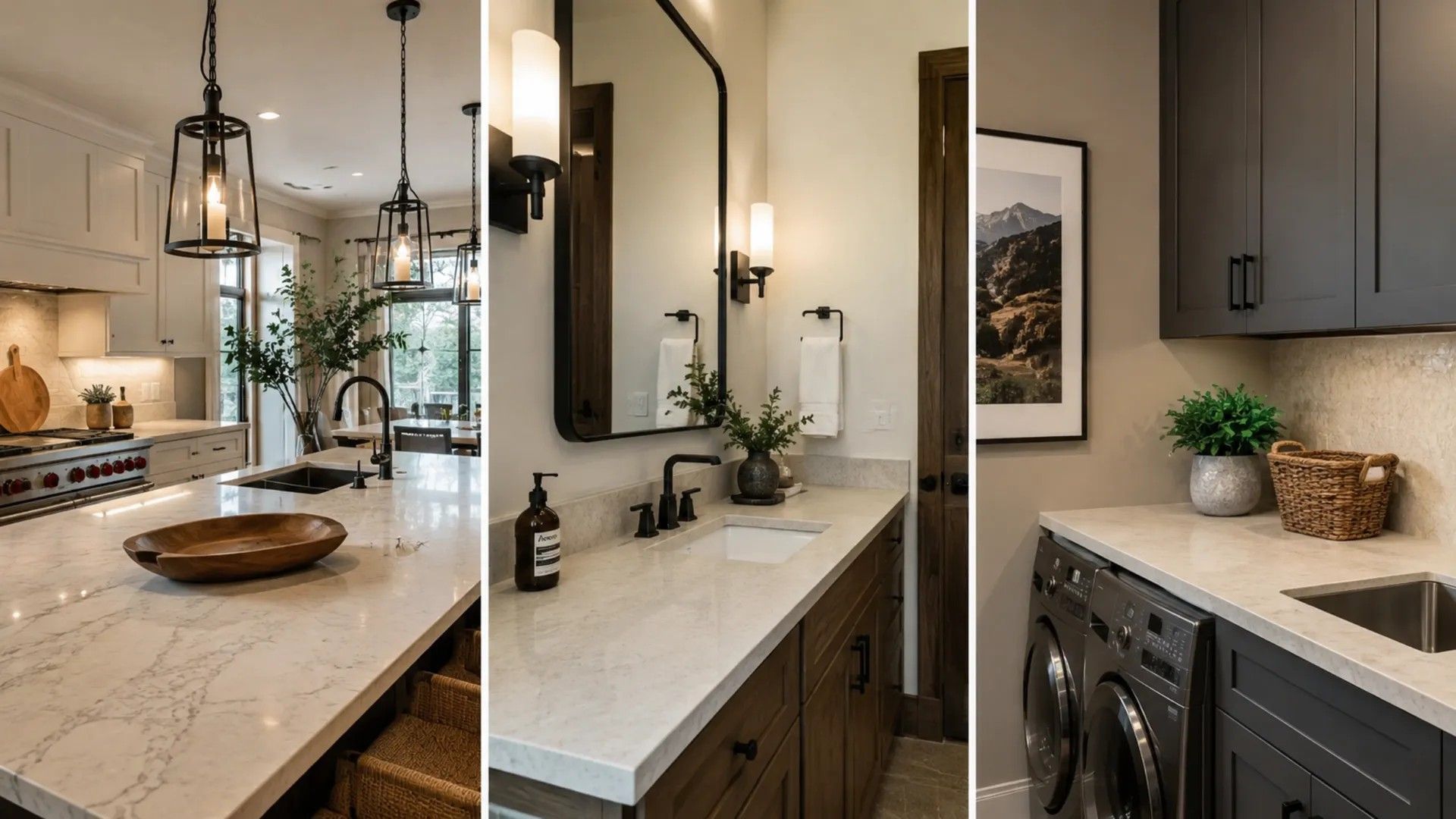
By Matt Greenlee December 1, 2025
When people walk into our Prescott showroom and start talking flooring, one of the first questions that comes up is, “Can I put laminate in my kitchen or bathroom?” And the short answer is yes, you can—you just need to understand how today’s laminate is built and how to use it wisely in those moisture-heavy areas. I’ve been in this business a long time, and I’ve seen laminate evolve from something you’d avoid around water to a product that actually holds its own when it’s treated right. The newer materials are engineered with added oils in the wood, then pressure-treated with heat. That combination creates superior water resistance compared to the laminates we all grew up with. Still, like anything else in your home, it performs best when you give it a little support. Why Modern Laminate Handles Moisture Better Today’s laminate isn’t the same stuff people used twenty years ago. Manufacturers are using oils, pressure, and heat to help the core resist swelling. That means the occasional splash or spill isn’t the enemy it used to be. Now, if you pour water on it and walk away for hours, sure—you might see some damage. But in real-life living, where you’ve got a family coming and going and regular cleanups happening, it can hold up just fine. That’s why I tell people: laminate in kitchens and bathrooms isn’t something to be scared of. It just needs a few smart habits to stay in great shape. How to Protect Laminate in Kitchens and Bathrooms Moisture isn’t just about big spills. It’s the daily drips around your shower, the splash zone at the sink, and—let’s be honest—the mystery puddles that show up around the toilet. Here’s where planning makes a difference. I always recommend placing rugs in the high-moisture spots. That’s your first line of defense. Simple areas to protect with a small rug or mat: Right outside the shower In front of the bathroom sink Around the toilet In front of the kitchen sink In front of the stove (for cooking spills) These aren’t complicated solutions—they’re just practical. And they let laminate do what it’s designed to do without pushing it past its limits. Laminate in Kitchens: What to Expect Kitchens are high-traffic, high-function rooms. I’ve installed plenty of laminate in kitchens over the years, and what matters isn’t avoiding water altogether—it’s managing it. Putting a rug by the sink is an easy win, and I even like adding one in front of the stove. Not only does it help with spills, but it’s also more comfortable when you’re cooking. The good news is: regular use, daily cooking, wiping up splashes—these aren’t going to bother a modern laminate floor. Laminate in Bathrooms: Yes, It Works Bathrooms can feel trickier because there’s more standing water potential. But again, a little prevention goes a long way. Laminate is a perfectly good product for bathrooms as long as you place mats where they matter and don’t let puddles sit untouched for long stretches. I’ve seen families get years and years out of bathroom laminate by following these simple habits. It’s always about balancing beauty , durability , and lifestyle . If you love the look and feel of laminate, you don’t have to be afraid of using it in a bathroom. Final Thoughts: Make Your Home Work for You At the end of the day, laminate in wet zones comes down to smart choices and understanding how the material behaves. The newer laminates are built to resist moisture better than ever, and with just a little planning, they can be a durable, attractive option for your kitchen or bathroom. If you’re thinking about new surfaces—flooring, countertops, or anything in between—bring a sketch and come see us. We’ll walk you through the options that make sense for your home and your lifestyle. After 27 years in this business, we’ve “seen it all,” and we’re here to help you find what feels good. Designing Surfaces For Your Life