Tile Countertops: Pros, Cons, and What Custom Homeowners Should Know
A Look Back at Where Tile Came From
Every once in a while, someone brings up tile countertops—and usually it starts with a story.
“I remember these in my grandmother’s house,” or “I’m thinking about a French country kitchen.”
And they’re not wrong. Tile countertops had their place. For a long time, that was a go-to option, especially when design leaned more traditional.
But the industry has changed. Materials have changed. And honestly, expectations have changed too.
These days, tile countertops have mostly fallen by the wayside—and there are some pretty practical reasons for that.
The Biggest Challenge: Grout
If you’ve ever lived with tile countertops, you probably already know what I’m going to say.
“I’ve got to clean this damn grout.”
That’s the number one issue. Not cracking tiles. Not structure. It’s maintenance.
Grout lines sit between every tile, and over time, they absorb stains, collect debris, and require regular scrubbing to keep them looking clean. Even when you stay on top of it, it can feel like a constant chore.
There are ways to improve it—we used to offer epoxy grout, which doesn’t absorb stains like traditional grout. It helps. But it doesn’t eliminate the issue entirely.
And for most people today, that level of upkeep just isn’t appealing.
How Tile Compares to Modern Options
Here’s where things really shift.
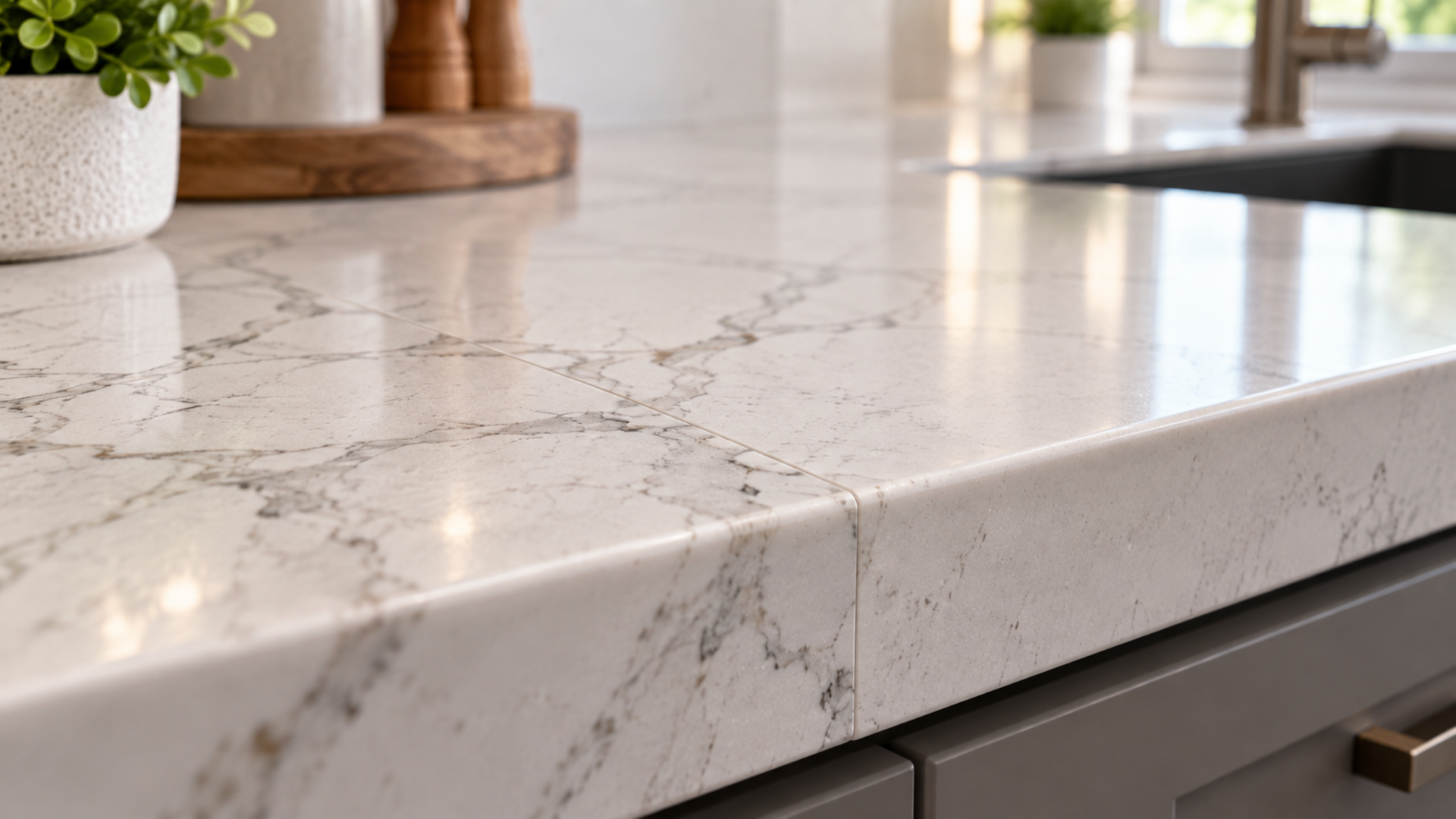
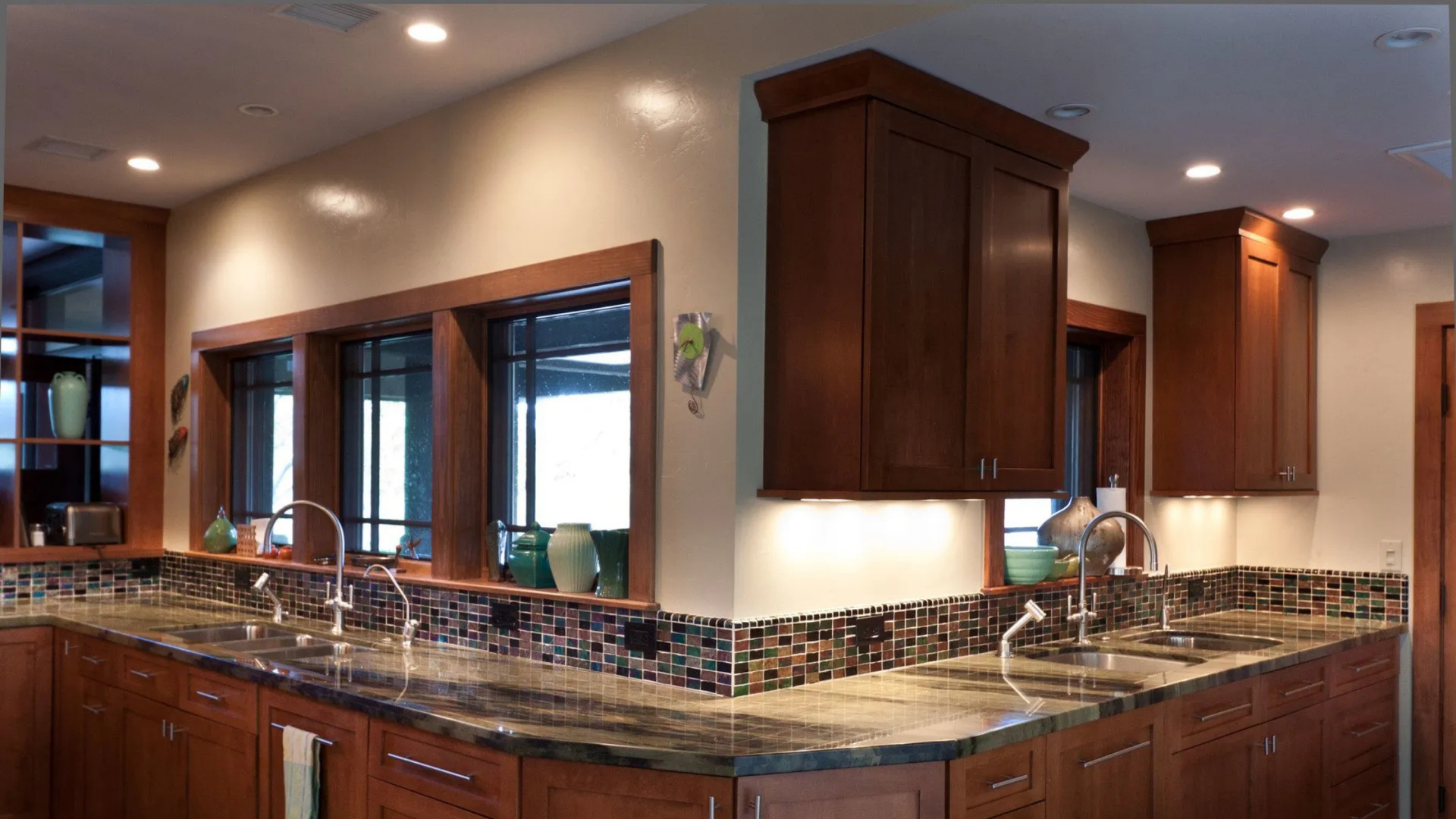
With the materials available now—granite, quartz, and even porcelain slabs—you can get a full, continuous surface without seams running across your workspace.
And in many cases, the pricing has come close enough that tile doesn’t really offer a cost advantage anymore.
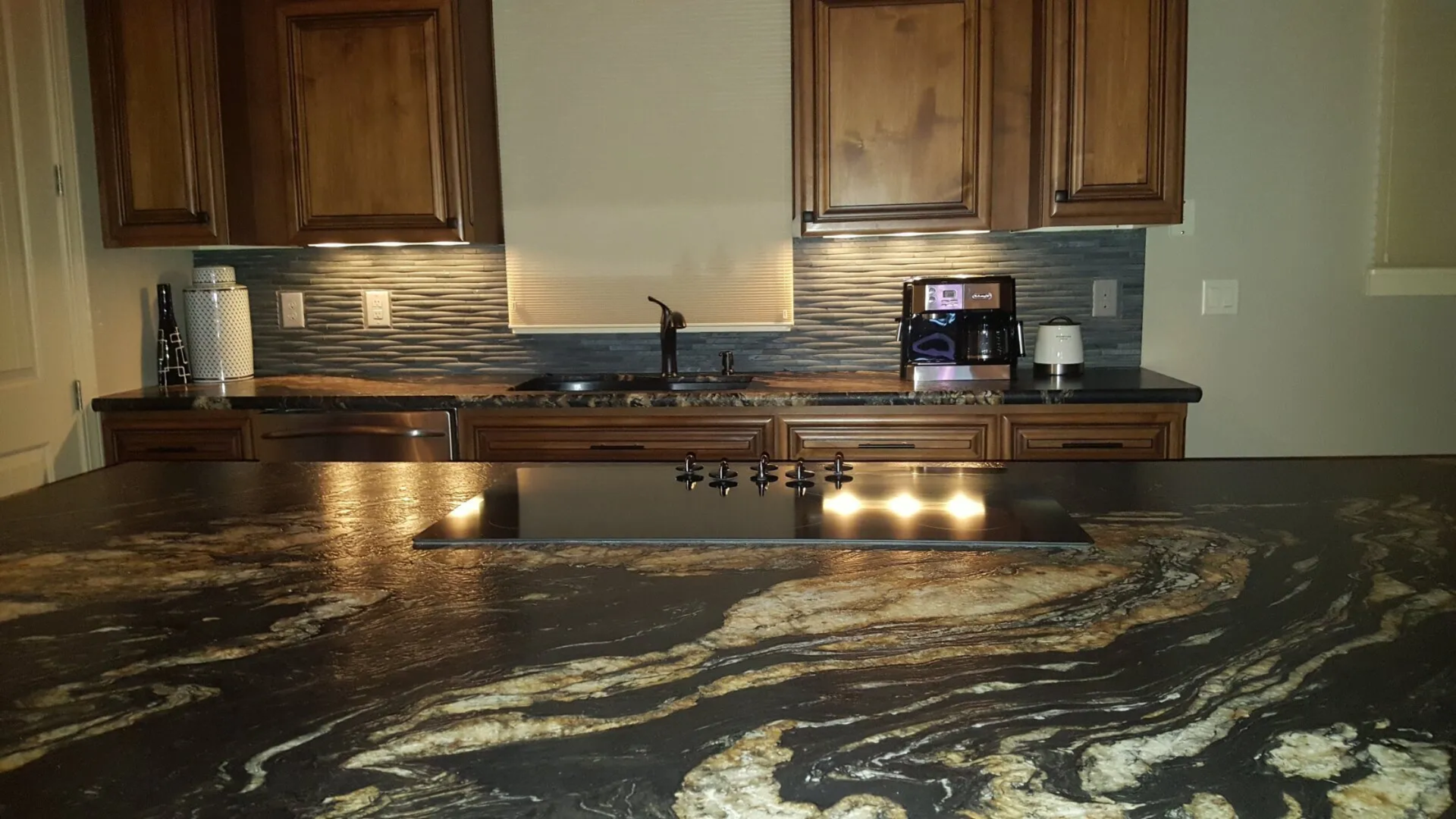
So instead of dealing with grout lines, you can have a solid slab that’s easier to clean, easier to maintain, and honestly, easier to live with.
That’s a big part of why tile has faded out of most kitchen designs.
Are There Still Reasons to Choose Tile?
There are a few situations where tile still makes sense. It’s just more about style than practicality.
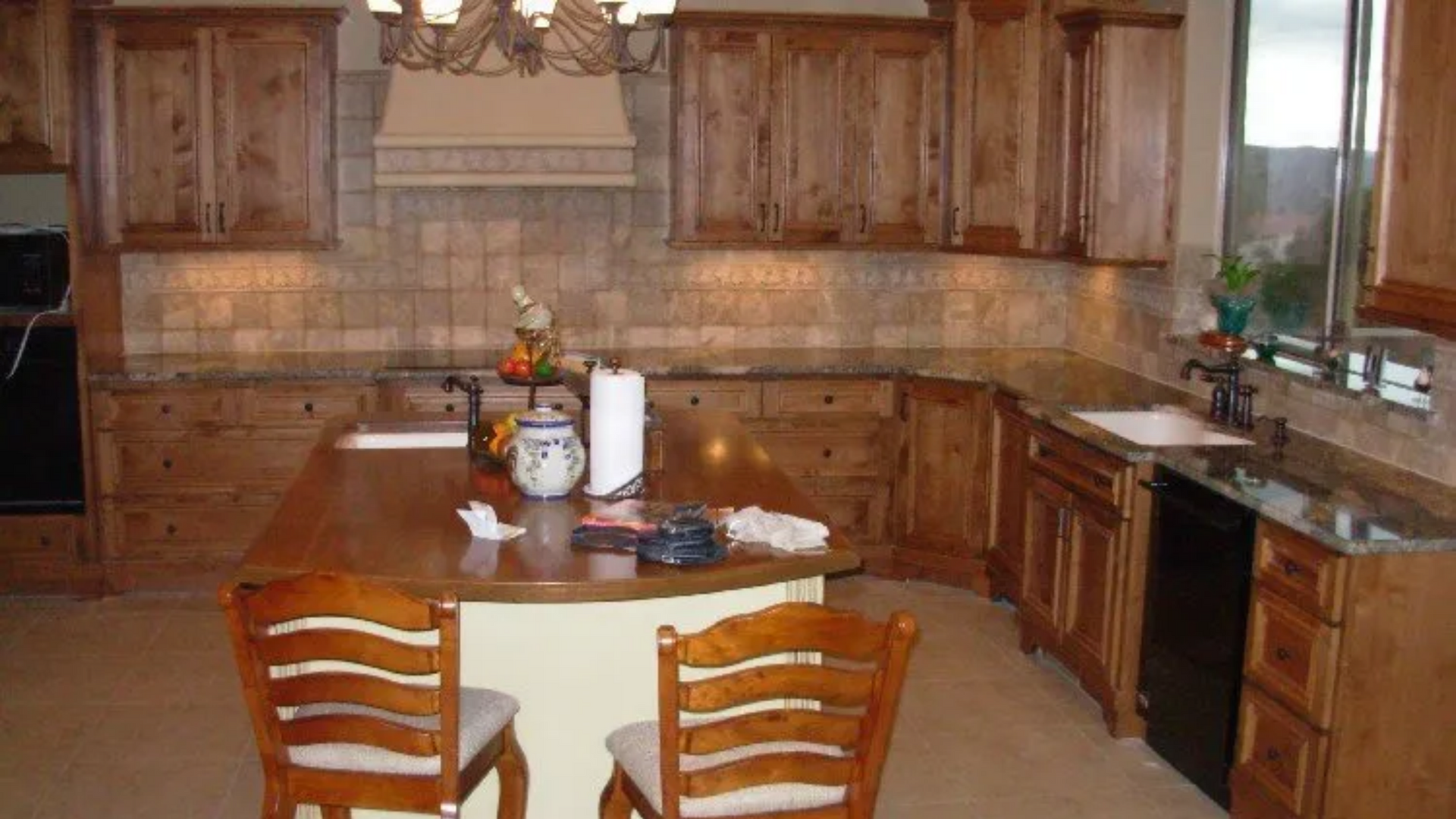
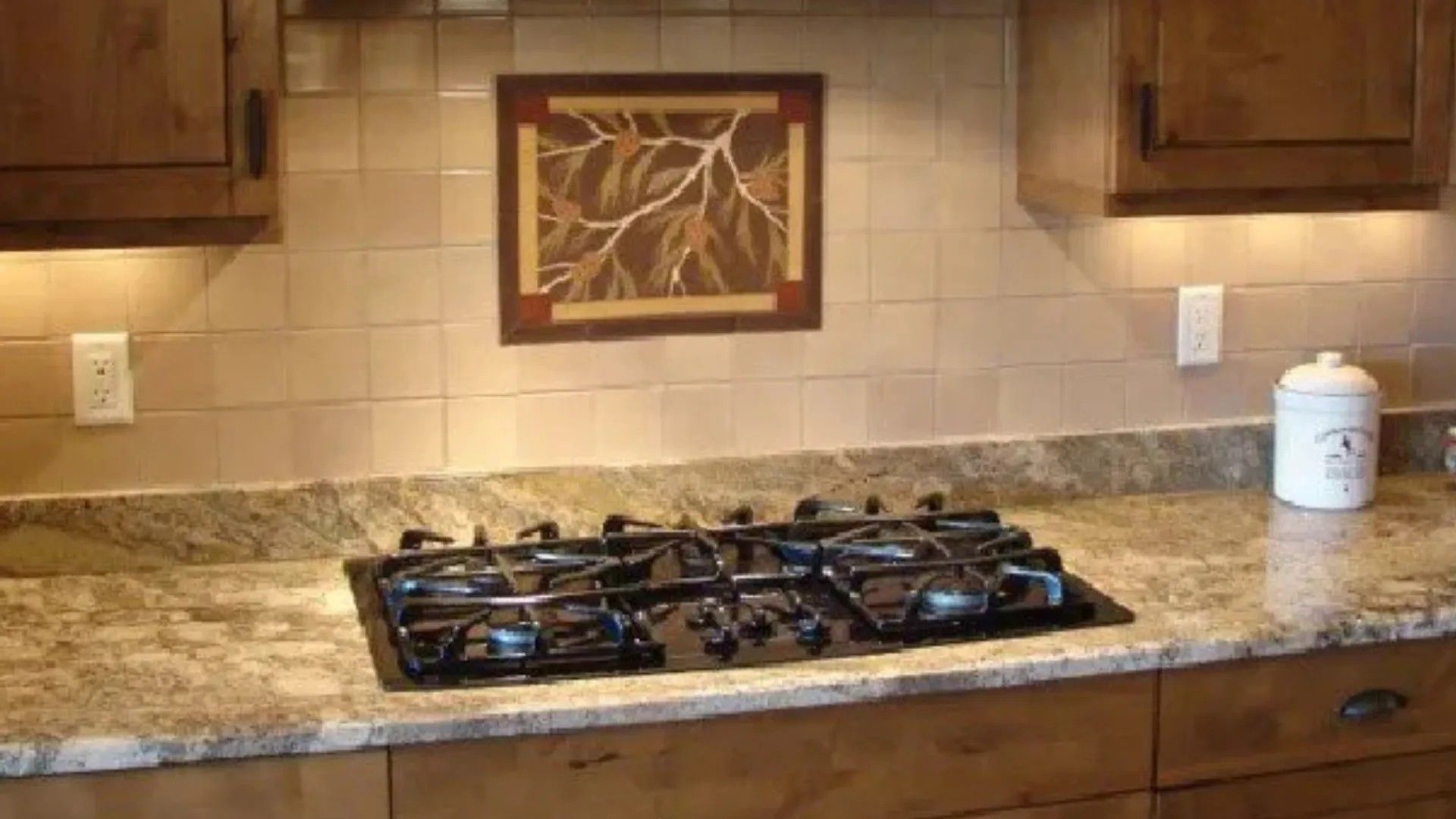
If someone is going for a very specific look—something like a French country kitchen—tile can help achieve that aesthetic. It has a certain charm and texture that you don’t get from slab materials.
But even then, it’s usually a conscious trade-off.
You’re choosing the look, knowing what comes with it.
A Quick Breakdown
If you’re weighing your options, here’s a simple way to look at tile countertops:
Pros:
- Unique, traditional aesthetic
- Flexible design patterns and layouts
- Works well in niche or themed kitchens
Cons:
- Grout lines require constant cleaning
- More maintenance over time
- Less streamlined than slab surfaces
- Comparable cost to better-performing materials
- Not as common in current kitchen design trends
It’s not that tile is “bad”—it just doesn’t line up with how most people want their kitchens to function today.
What About Porcelain Panels?
A lot of people hear “tile” and start thinking about porcelain as a modern alternative.
And it’s true—the tile industry has moved toward larger and larger formats. You can now get porcelain slabs that minimize grout lines or eliminate them altogether.
But even there, you’ve got to be careful.
We’ve torn out more than a few porcelain panel countertops over the years. The edges can chip pretty easily, and when they do, repairs are tough to hide. You’re working with epoxy and polish, and it rarely disappears the way you’d hope.
So while it sounds like a solution, it comes with its own set of challenges.
Choosing What Works for How You Live
At the end of the day, this isn’t just about materials—it’s about how you use your kitchen.
If you love the look of tile and you’re okay with the maintenance, it can still be the right choice in the right setting.
But most of the time, when people see the alternatives and understand what comes with each option, they tend to go a different direction.
We’ve been doing this a long time, and our job is to help you sort through all of it—what looks good, what holds up, and what fits your day-to-day life.
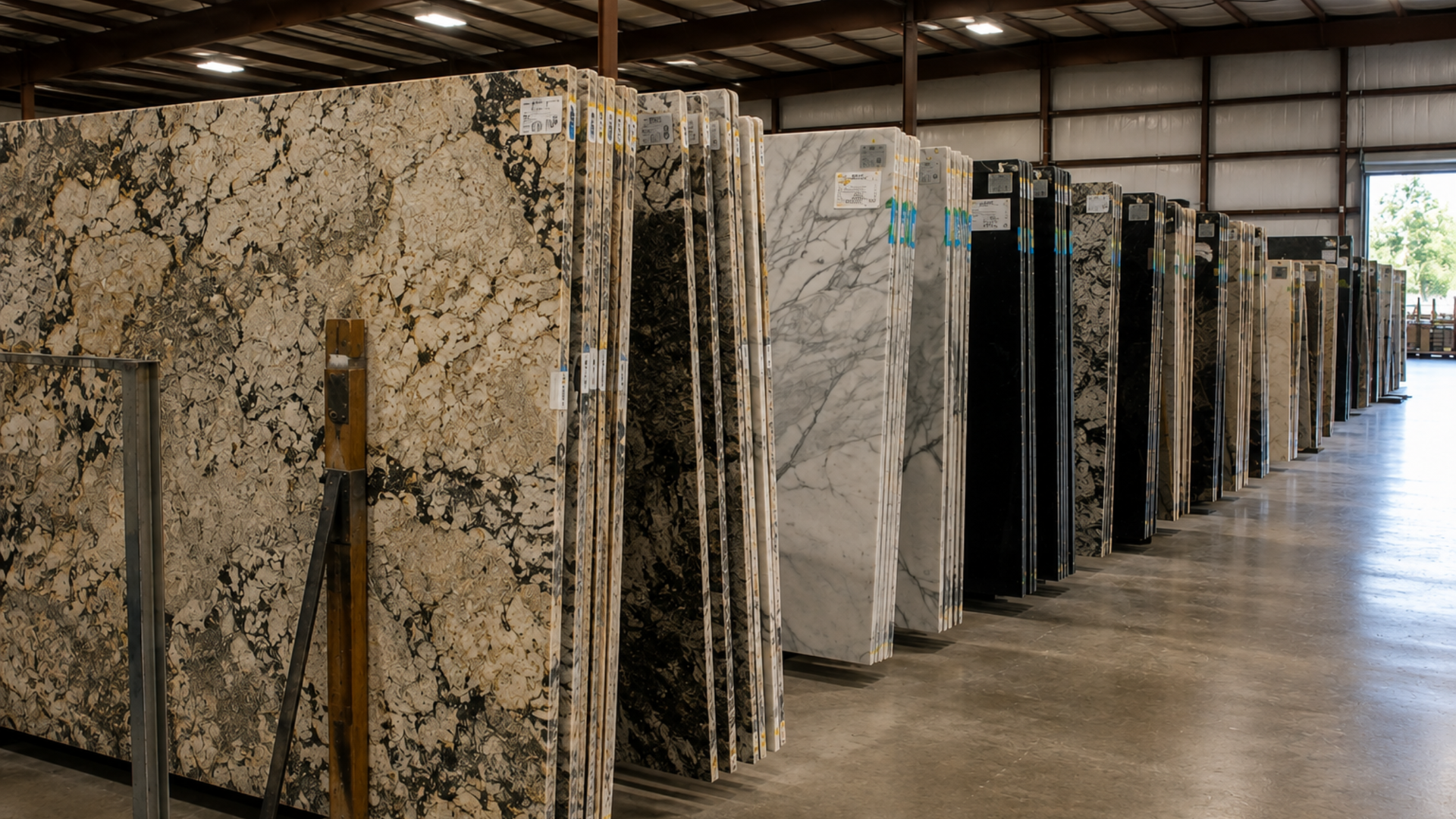
Come see us. Walk through the showroom. Put your hands on the materials and see what feels right.
Let’s find what makes you feel good.
Designing Surfaces For Your Life
Share On: