
Quartz Countertops and Seam Placement: What Homeowners Should Discuss Early
A seam may be one of the smallest lines in your kitchen, but it can create some of the biggest questions. Homeowners often spend weeks choosing the perfect quartz color and pattern, then discover that nobody has talked about where the seams will go.
That conversation needs to happen early.
Engineered quartz is beautiful, durable, and consistent, but materials with a lot of movement can be challenging when it comes to matching patterns. A little planning helps us place seams where they make sense structurally and visually.
Why Quartz Patterns Don’t Always Line Up
Natural stone slabs with strong movement are often book-matched. Imagine opening a book and seeing two pages that mirror each other. The polished faces can be positioned so the veins appear to flow together.
Engineered quartz is generally not produced that way; two slabs may have the same pattern running in the same direction instead of mirroring each other. When we rotate a piece to fit a kitchen layout, the flow may suddenly head in another direction.
That doesn’t mean you shouldn’t choose quartz with movement, it means we need to talk about focal points. We’ll look at where your eye naturally goes and decide where matching the pattern matters most. In the other areas, we do the best that we can do with the material available.
Where Seams May Work Best
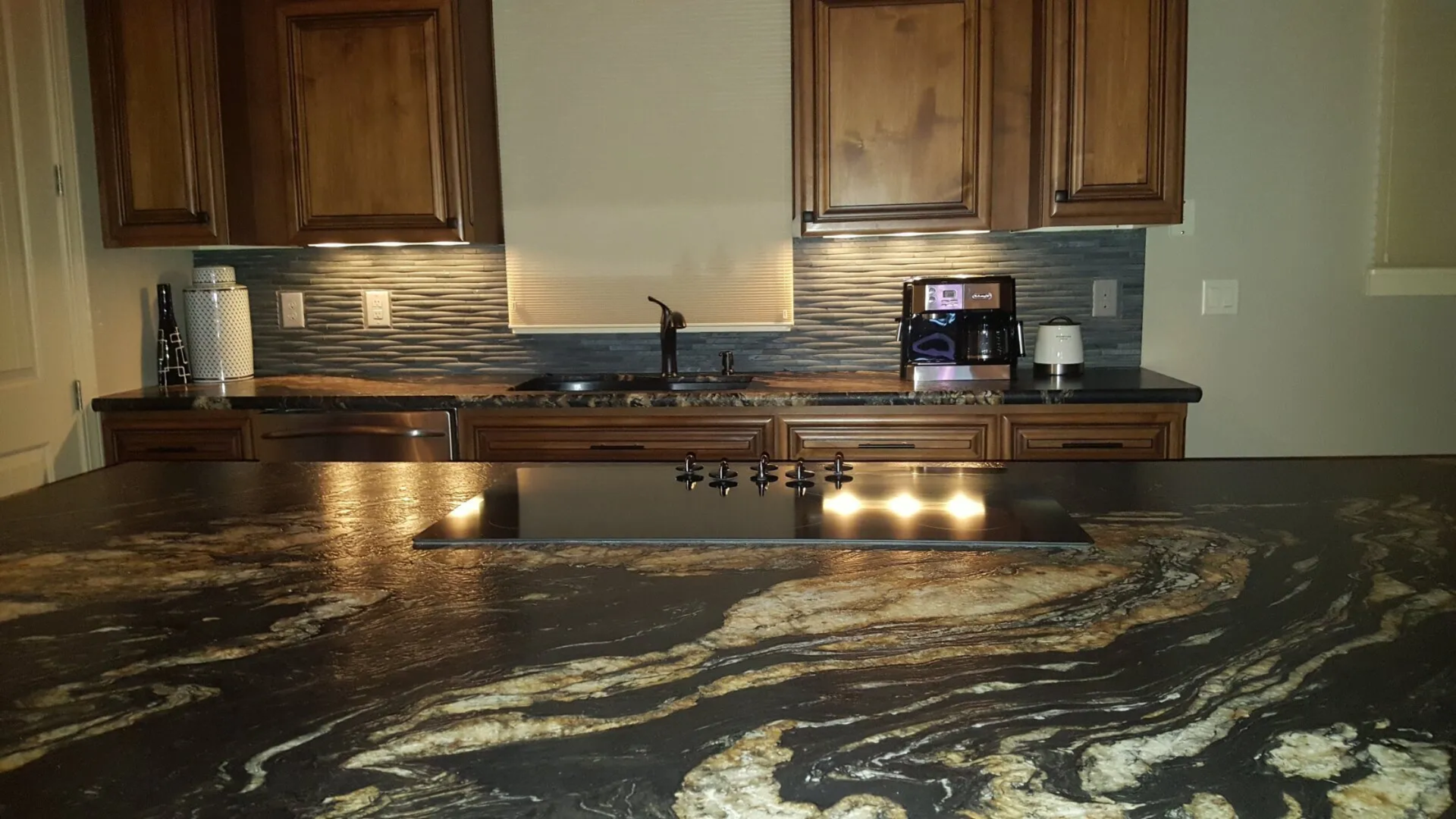
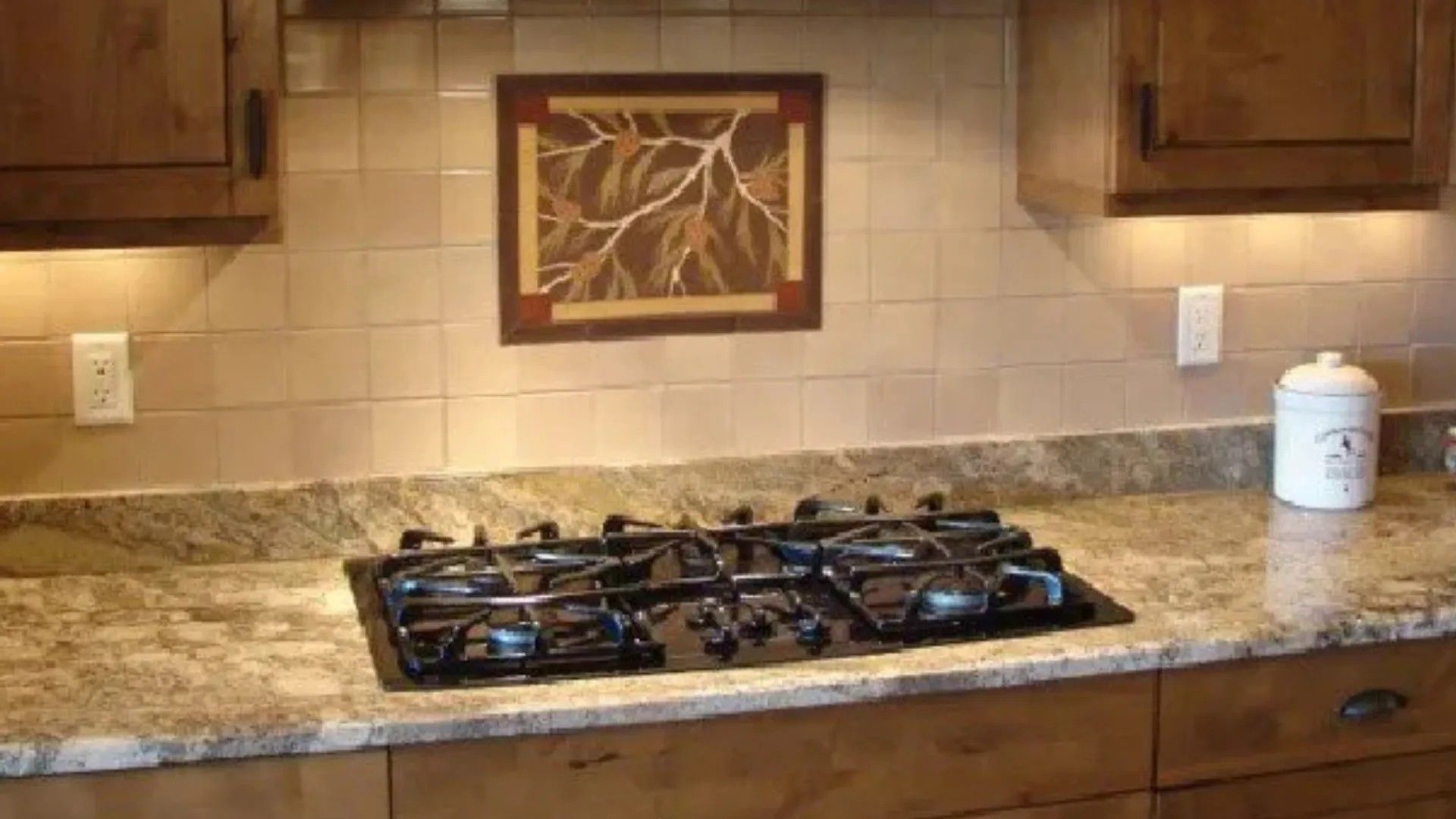
Every kitchen is different, but certain locations can help make a seam less noticeable. A cooktop is often a good option because most of the material in that section gets removed. We may only need to match a few inches of quartz at the front and back.
During templating, we show homeowners where we propose placing each seam. About 90% of the time, that’s where it ends up. Occasionally, my saw guy comes back and says, “We can’t do this. We need to do something different.” When that happens, we explain the reason and adjust the plan.
Early questions should include:
- Where will the main visual focal points be?
- Does the quartz have a strong directional pattern?
- Will the backsplash use the same quartz?
- Can a seam be placed near a cooktop or another cutout?
- Is there enough support beneath the proposed location?
- Will water or daily use affect the seam over time?
Places We Usually Try to Avoid
We don’t put seams over dishwashers when we’re working with 3cm material. A dishwasher creates an open void in the cabinet, leaving little support beneath the seam. It’s also an area where heat and moisture can cause problems.
We also try not to place quartz seams in the middle of sinks. Sometimes a layout makes it necessary, but sink areas get constant exposure to water, soap, food, and grime. Over time, the seam adhesive may collect dirt and become more visible.
Structural support comes first. A seam that looks good on paper isn’t a good choice if the material won’t have the support it needs.
Full-Height Backsplashes Need Extra Planning
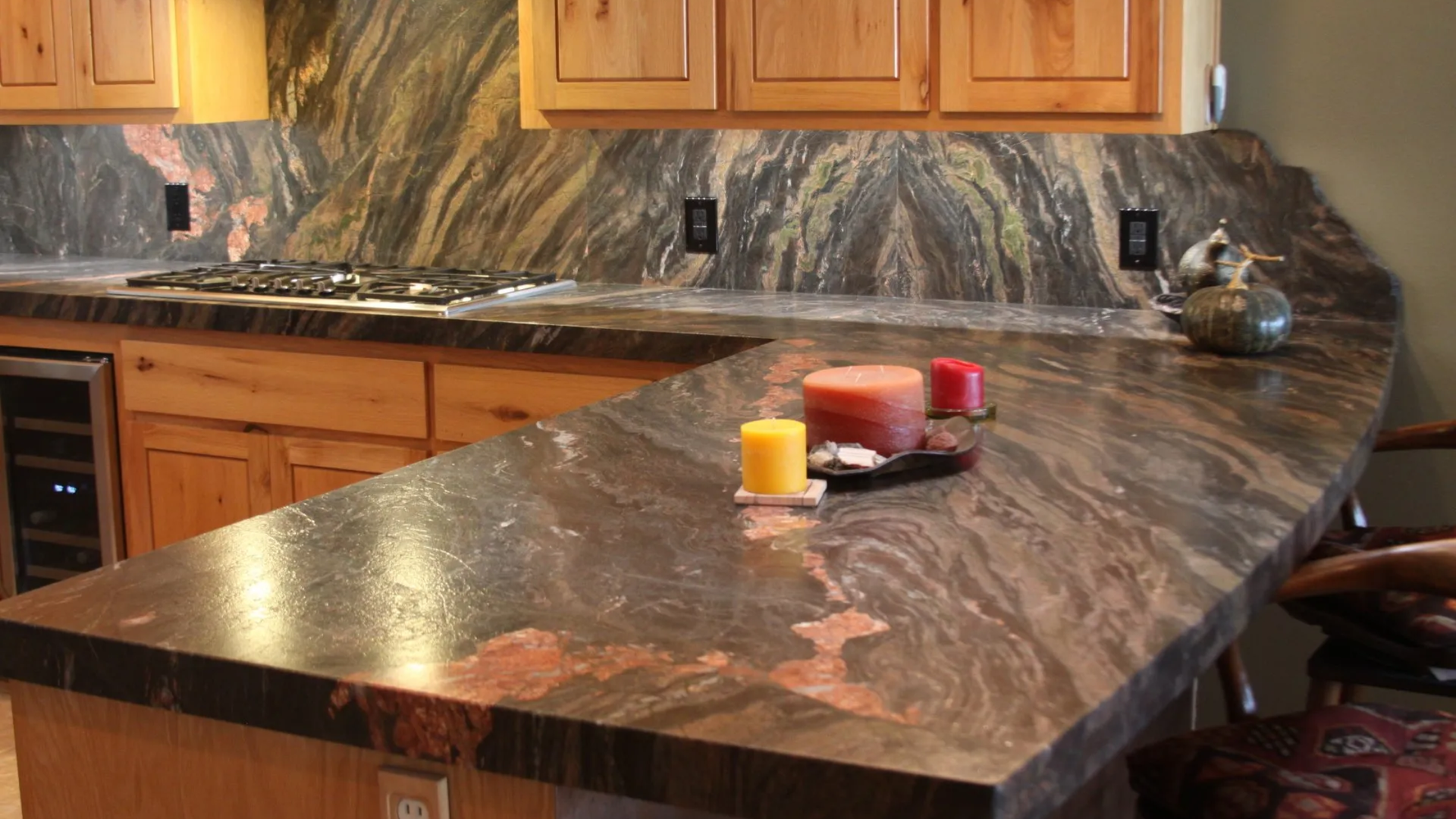
Quartz that runs from the countertop up the wall can create a clean, dramatic look. It can also make pattern matching more complicated.
With a strong pattern, only some backsplash sections may line up so the flow continues from the countertop onto the wall. We decide which areas matter most, such as behind the range or around the main prep space, then lay out the material around those priorities.
This is where in-house fabrication makes a difference. We can review the template, slab dimensions, cutouts, pattern direction, and installation needs as one connected process.
A Better Seam Starts With a Conversation
There’s no universal seam plan that works for every kitchen. The best placement depends on the room, the slabs, the cabinet support, and what you want to notice when the project is finished.
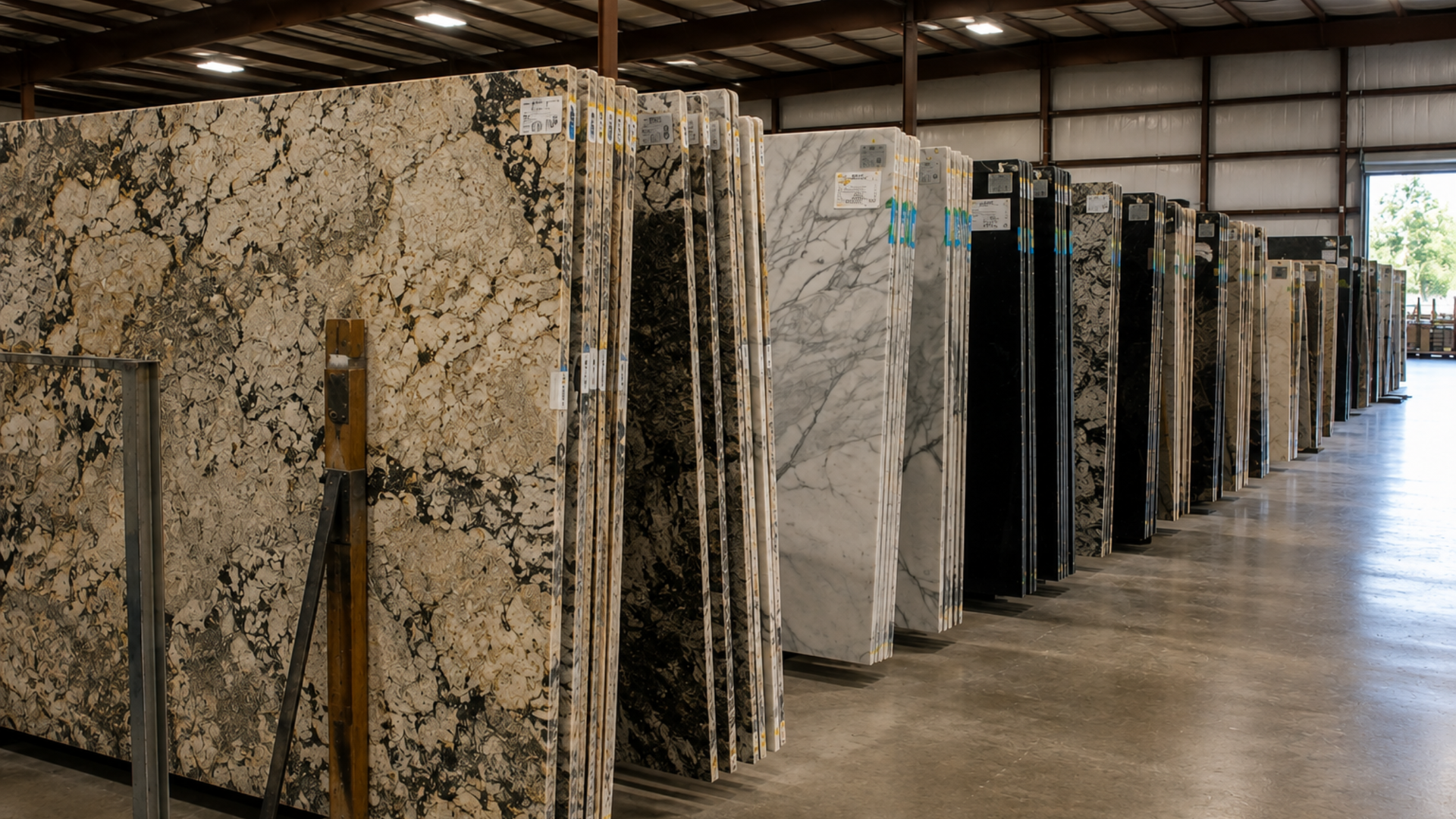
Come see us before the decisions are locked in. Bring a sketch, look at the full slabs, and let’s talk through the seams while we still have room to make thoughtful choices.
Greenlee: Designing Surfaces For Your Life
Share On: