
How to Choose the Right Granite Color for Your Home
Greenlee Designer Surfaces • May 2, 2025
Choosing a granite color for your home isn’t just a design decision—it’s an investment in how your space will look, feel, and function for years to come. At Greenlee, we believe that great surfaces don’t just match your cabinets; they reflect your style, your needs, and your everyday life. Whether you're building a custom home or remodeling your kitchen right here in Prescott, picking the right color starts with a thoughtful approach and a little expert guidance.
Understand How You Use the Space
The first step is thinking about how you live in the space you're upgrading. Is your kitchen the heart of your home, filled with daily family dinners and the occasional cooking adventure? Or is it a showpiece meant for hosting? Darker polished granites like Absolute Black or Steel Gray tend to show fingerprints and daily mess more. On the other hand, lighter colors like Colonial White or Kashmir Cream can brighten up the room and create an airy, open feel—perfect for more formal designs.
Match the Mood You Want to Create
Granite isn't just about color; it's about the feeling it brings to the room. Here’s a quick guide to what different tones can evoke:
- Light Colors (whites, creams, light grays): Bright, open, and fresh. Ideal for small spaces or when you want a clean, modern look.
- Medium Tones (beiges, browns, mid-grays): Warm, welcoming, and classic. These colors often work beautifully in cozy, traditional homes.
- Dark Colors (charcoal, black, deep green): Dramatic, sophisticated, and bold. They add elegance and depth but may require good lighting to keep the space from feeling heavy.
Finish surface Polished, Leather/Satin and Honed. These finishes will have varying looks depending on the type of stone as well.
Bring Samples Into Your Home
Granite can look completely different under the lighting in your home compared to a showroom. We always recommend taking a few samples home if you can—or even better, come walk through our yard and take pictures of full slabs. Look at them in different lighting throughout the day. Morning sunlight, evening glow, and artificial lighting can all shift the way a color appears. Trust what makes you feel good. After all, you’ll be living with it every day.
Coordinate, Don't Match
Your countertops should work with your cabinets, flooring, and backsplash, not compete with them. Instead of trying to match tones exactly, look for complementary colors and textures. If you have busy cabinet wood grains or bold floors, a simpler granite pattern might create better balance. If your cabinetry is sleek and minimal, a bold granite with lots of movement could be the star of the show.
Think Long-Term
Trends come and go, but your countertops are here to stay. If you’re remodeling a home you plan to enjoy for decades, focus on colors and patterns that feel timeless rather than trendy. Neutrals with character—like soft grays, creamy whites, and warm beiges—are always safe bets. If you're designing a show-stopper space and love a bold choice like Explosion Blue or Crystallo, that's great too. We’ll help you understand the care and maintenance that go along with it.
Come See the Stone in Person
Photos can give you an idea, but nothing compares to seeing and touching real granite in person. Every slab has its own personality. Variations in veining, specks, and color tones make each piece one-of-a-kind. At Greenlee, we interpret a lot of that all the time—and we’ll help you understand what to look for so you can pick a stone you’ll love for years to come.
Choosing the right granite color is a big decision. Come see us right here in Prescott. Bring a sketch, some pictures, and let’s find what makes you feel good.
Designing Surfaces For Your Life
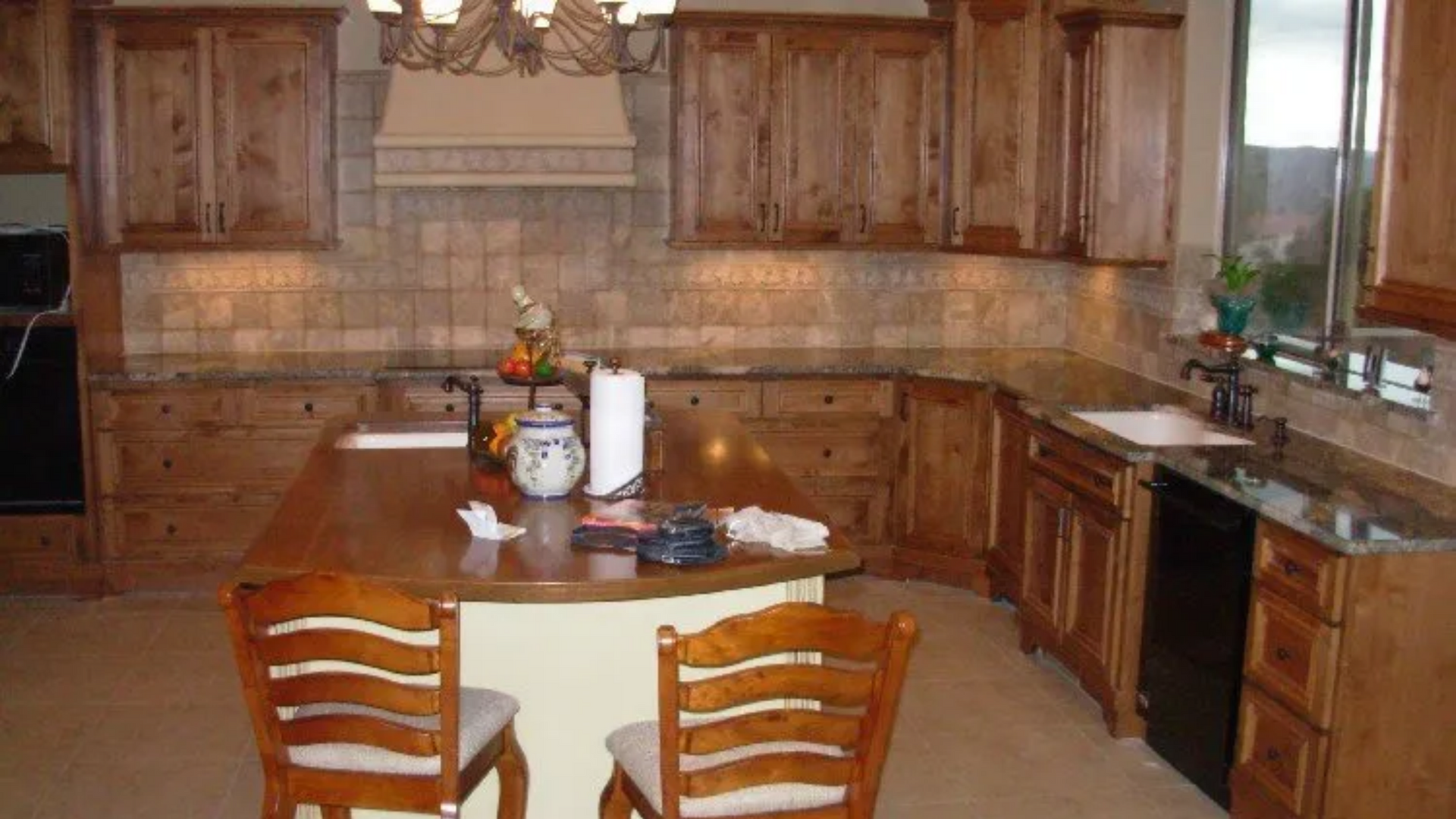
A kitchen can be brand-new and still feel like it belongs to anybody. The cabinets are nice. The layout works. Everything is clean and functional. But something is missing. That missing piece is usually personality. Custom surfaces give you a chance to change that. Your countertops, backsplash , edges, corners, and finishes all work together to shape how the kitchen looks and feels. The right choices can turn a standard space into a kitchen that feels like yours. Start With What Makes You Feel Good When people come into our showroom , I don’t start by telling them what they should like. I want to know what catches their attention. Do you like shiny surfaces, or do you prefer something softer? Come over and feel this leathered slab. Does that texture appeal to you? Would you enjoy seeing and using it every day? Natural stone gives you a wide range of colors, movement, and texture. Engineered quartz also offers more choices than many homeowners realize. Along with the familiar polished finish, some manufacturers offer finishes described as matte, satin, or suede. There are even textured quartz finishes that feel similar to leathered stone. That texture can completely change the personality of a kitchen. It can make the room feel warmer, quieter, more natural, or more relaxed. Keep the Details Personal, Not Complicated There are plenty of decisions to make, but you don’t need to make every detail elaborate. I’m a simple guy. I think some things are better left simple. A clean edge profile often lets the material take center stage. More decorative edges can work in the right kitchen, but they may require more hand finishing and can distract from a beautiful surface. When we help homeowners personalize a kitchen, we often discuss: Polished, matte, suede, or textured surface finishes Simple or decorative countertop edges Rounded corners on islands and raised bar tops Full-height quartz or stone backsplashes Pattern movement and where the eye naturally goes Practical details around sinks, cooktops, and seating areas The goal isn’t to add details just because you can. It’s to choose the details that make the kitchen feel comfortable and complete. Think About How You Move Through the Kitchen Personal design isn’t only about color and pattern. It’s also about how the room works for you. Outside countertop corners are a good example. People naturally walk straight toward where they’re going. That means hips have a way of finding sharp island corners, especially in busy kitchens. A small radius softens the corner and makes an accidental bump less of a shocker. Inside corners matter too. Depending on the layout, we may use a square corner or a smooth radius that allows our equipment to move through the material cleanly. If a kitchen has more than one inside corner, we also look at consistency. One square corner and one rounded corner may not bother you immediately, but you might notice it a year after moving in. Those are the little things we think through during templating. Use Surfaces in Unexpected Places A personal kitchen doesn’t have to stop at the countertops . We recently used engineered quartz behind upper cabinets with glass doors. Because the cabinet backs are open, you can see the quartz through the glass. It creates another layer of color and pattern without making the room feel busy. You can also use a favorite surface for a full backsplash, a serving area, a raised bar, a windowsill, or an adjoining dining feature. These touches help the kitchen connect with the rest of the home. Build a Kitchen You’ll Enjoy Living With Trends are useful for inspiration, but you’re the one who has to live with the kitchen. Pick up samples. Look at full slabs . Feel the different textures. Think about where you stand, cook, gather, and set down a heavy pan. We even offer modern innovations that add ease to your life. We’ll ask questions along the way because those answers help us build something that fits you, not just the floor plan. Bring a sketch and come see us. Let’s find what makes you feel good. Designing Surfaces For Your Life
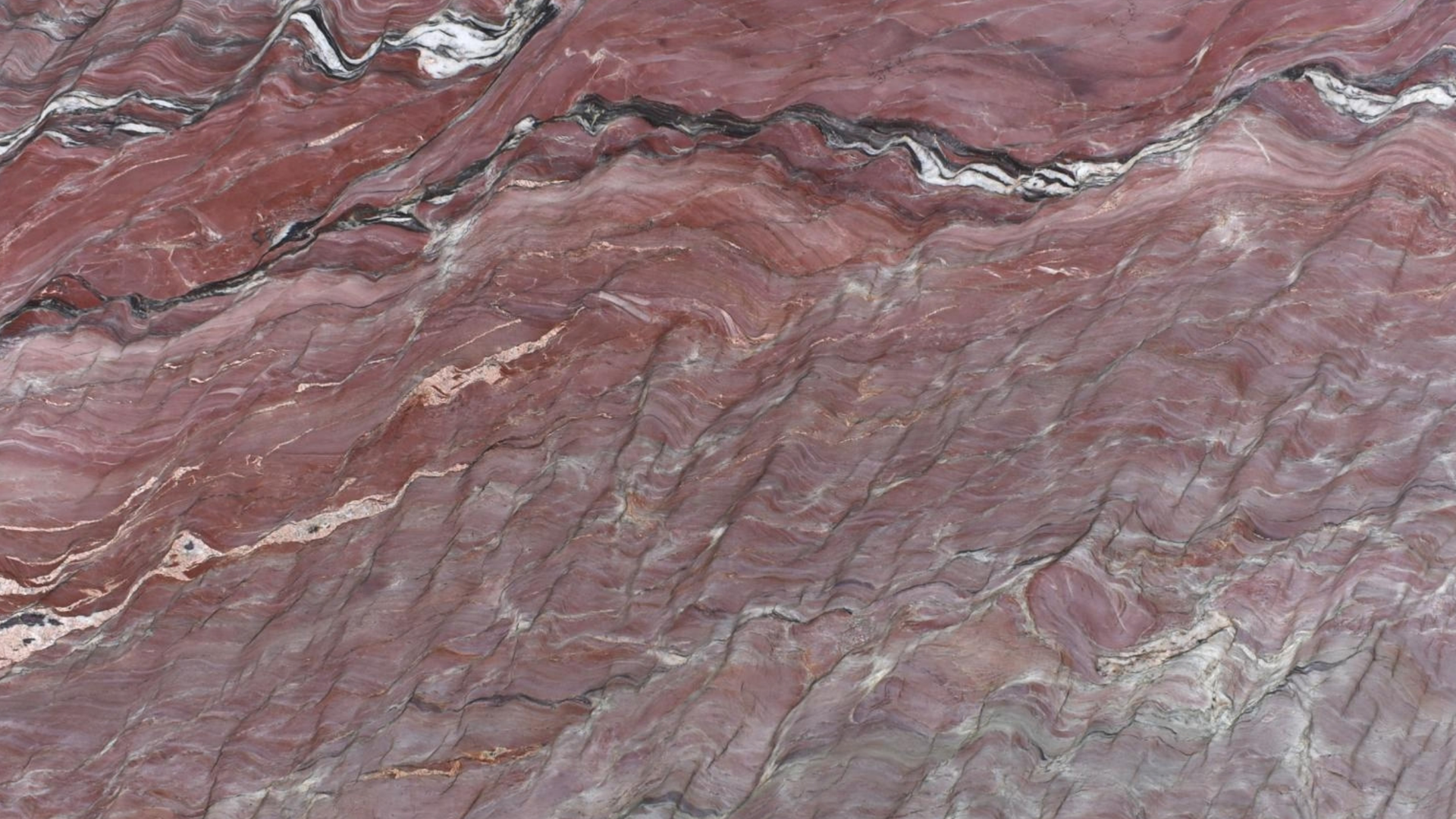
One of the things I like about natural stone is that it tells you where it came from. You’ll see movement, color changes, mineral deposits, little lines, and sometimes filled areas that have been there since the slab was processed. Every once in a while, though, somebody looks at one of those lines and asks, “Is that a crack?” Sometimes it is. A lot of times, it isn’t. Fractures and fissures are just part of natural stone; that’s the way it is. Knowing what you’re looking at can help you appreciate the character of the material and recognize when something actually needs attention. What Is a Natural Fissure? A fissure can be a micro-fracture within the stone. When a block of granite or other natural stone gets cut into slabs, tension inside the material gets released, and areas that were binding against one another can move slightly, leaving a line that looks a lot like a crack. Think about a windshield after it gets hit by a small rock: you may see a spider-like line inside the glass even though the surface still feels smooth. Natural stone can do something similar. A fissure may show up as a lighter line or a visible change in the stone without creating an actual opening. You can often see it, but you can’t necessarily feel it. Filled Areas Are Common in Natural Stone You’ll also find areas in many slabs that have been filled during processing. When natural stone is cut and polished, small voids or areas of separation can appear. The manufacturer may use resin or epoxy to stabilize and fill those areas before polishing the slab. Sometimes minerals come out during processing, leaving a low spot. That can be filled as well. In some stones, you can clearly see those areas. I have natural stone where some of the fill areas are an inch and a half or even two inches across. That doesn’t automatically mean the stone is damaged, it’s simply part of that particular piece of rock. Signs You May Be Looking at Actual Damage There are a few things we look for when deciding whether we’re seeing a natural feature or something that needs to be repaired: A noticeable height difference from one side of a line to the other An edge you can catch with your fingernail A piece of stone that has visibly separated A chip or void where previous fill has come loose Movement in an area that should be stable A true break will often have one side of the surface lifting slightly. That physical difference is one of the clues that tells us we’re dealing with more than a natural fissure. Yes, Natural Stone Can Be Repaired We repair natural stone all the time. Slabs are heavy, and they flex a little when they’re moved. Corners can break, and fill can come loose. It’s really kind of part of it when you work with natural materials. Depending on the situation, we may glue a piece back together, add support to the back of the stone, refill an area, and surface-polish it until everything is flat again. A good repair may end up looking very similar to a fissure that was filled at the factory. The adhesives we use are extremely strong, and the goal is to stabilize the stone while keeping the finished surface looking the way it should. The Character Is Part of the Stone I’m a rock hound: I fall for every pretty rock I find. And part of what makes natural stone interesting is that it isn’t manufactured to look identical from one end to the other. Fissures, mineral changes, filled areas, and other variations are part of what makes each slab different. If those natural characteristics really bother you, an engineered quartz may be a better fit. There’s nothing wrong with that! It all comes down to what makes you feel good in your space. But if you love natural stone, you understand that some of those lines and variations aren’t defects; they’re simply part of the material. Contact us and come walk through the showroom and look at the slabs. We’ll show you what’s natural, what’s been filled, and what we look for when we inspect a piece of stone. Greenlee: Designing Surfaces For Your Life
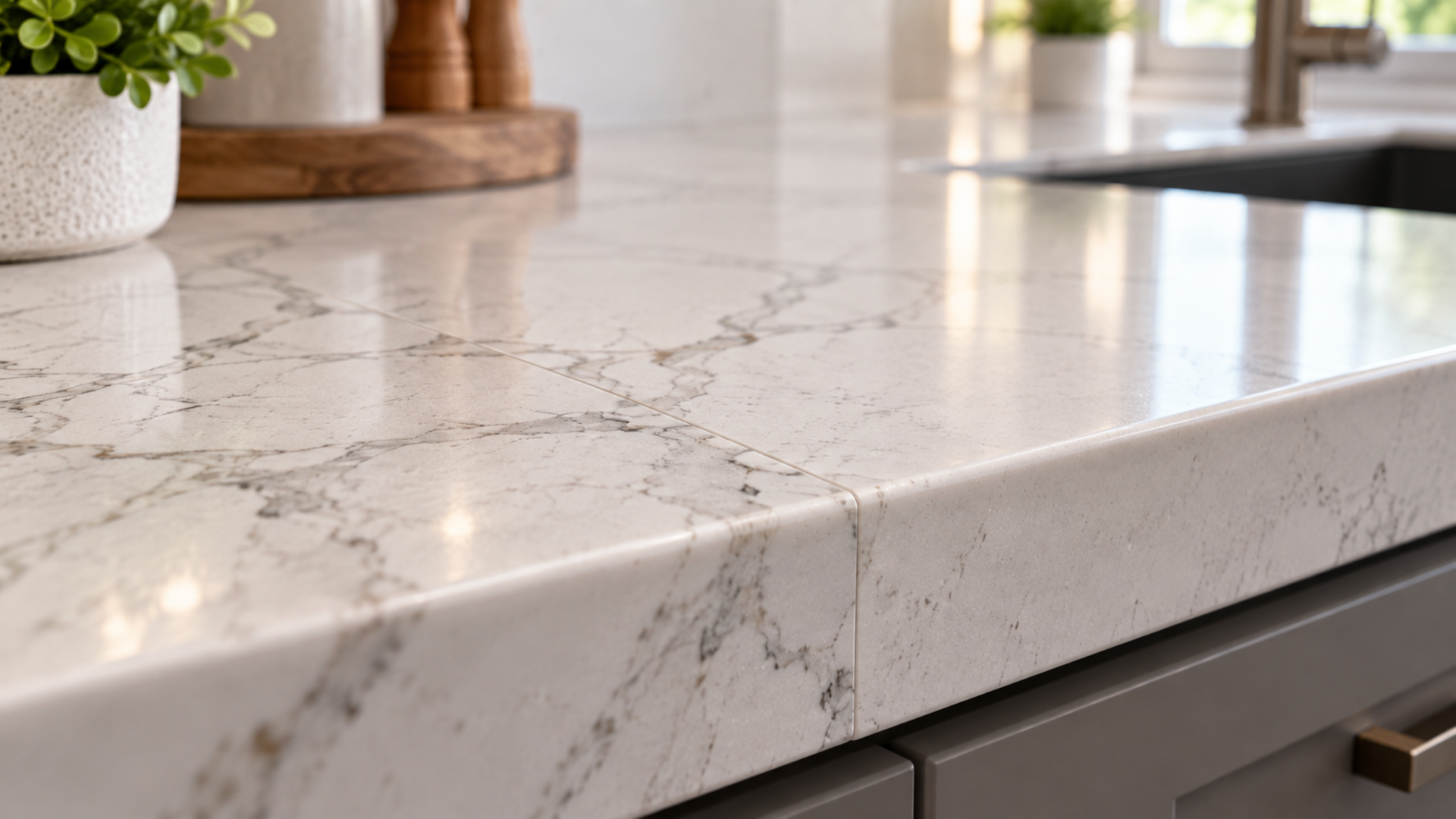
A seam may be one of the smallest lines in your kitchen, but it can create some of the biggest questions. Homeowners often spend weeks choosing the perfect quartz color and pattern, then discover that nobody has talked about where the seams will go. That conversation needs to happen early. Engineered quartz is beautiful, durable, and consistent, but materials with a lot of movement can be challenging when it comes to matching patterns. A little planning helps us place seams where they make sense structurally and visually. Why Quartz Patterns Don’t Always Line Up Natural stone slabs with strong movement are often book-matched. Imagine opening a book and seeing two pages that mirror each other. The polished faces can be positioned so the veins appear to flow together. Engineered quartz is generally not produced that way; two slabs may have the same pattern running in the same direction instead of mirroring each other. When we rotate a piece to fit a kitchen layout, the flow may suddenly head in another direction. That doesn’t mean you shouldn’t choose quartz with movement, it means we need to talk about focal points. We’ll look at where your eye naturally goes and decide where matching the pattern matters most. In the other areas, we do the best that we can do with the material available. Where Seams May Work Best Every kitchen is different, but certain locations can help make a seam less noticeable. A cooktop is often a good option because most of the material in that section gets removed. We may only need to match a few inches of quartz at the front and back. During templating, we show homeowners where we propose placing each seam. About 90% of the time, that’s where it ends up. Occasionally, my saw guy comes back and says, “We can’t do this. We need to do something different.” When that happens, we explain the reason and adjust the plan. Early questions should include: Where will the main visual focal points be? Does the quartz have a strong directional pattern? Will the backsplash use the same quartz? Can a seam be placed near a cooktop or another cutout? Is there enough support beneath the proposed location? Will water or daily use affect the seam over time? Places We Usually Try to Avoid We don’t put seams over dishwashers when we’re working with 3cm material. A dishwasher creates an open void in the cabinet, leaving little support beneath the seam. It’s also an area where heat and moisture can cause problems. We also try not to place quartz seams in the middle of sinks. Sometimes a layout makes it necessary, but sink areas get constant exposure to water, soap, food, and grime. Over time, the seam adhesive may collect dirt and become more visible. Structural support comes first. A seam that looks good on paper isn’t a good choice if the material won’t have the support it needs. Full-Height Backsplashes Need Extra Planning Quartz that runs from the countertop up the wall can create a clean, dramatic look. It can also make pattern matching more complicated. With a strong pattern, only some backsplash sections may line up so the flow continues from the countertop onto the wall. We decide which areas matter most, such as behind the range or around the main prep space, then lay out the material around those priorities. This is where in-house fabrication makes a difference. We can review the template, slab dimensions, cutouts, pattern direction, and installation needs as one connected process. A Better Seam Starts With a Conversation There’s no universal seam plan that works for every kitchen. The best placement depends on the room, the slabs, the cabinet support, and what you want to notice when the project is finished. Come see us before the decisions are locked in. Bring a sketch, look at the full slabs, and let’s talk through the seams while we still have room to make thoughtful choices. Greenlee: Designing Surfaces For Your Life
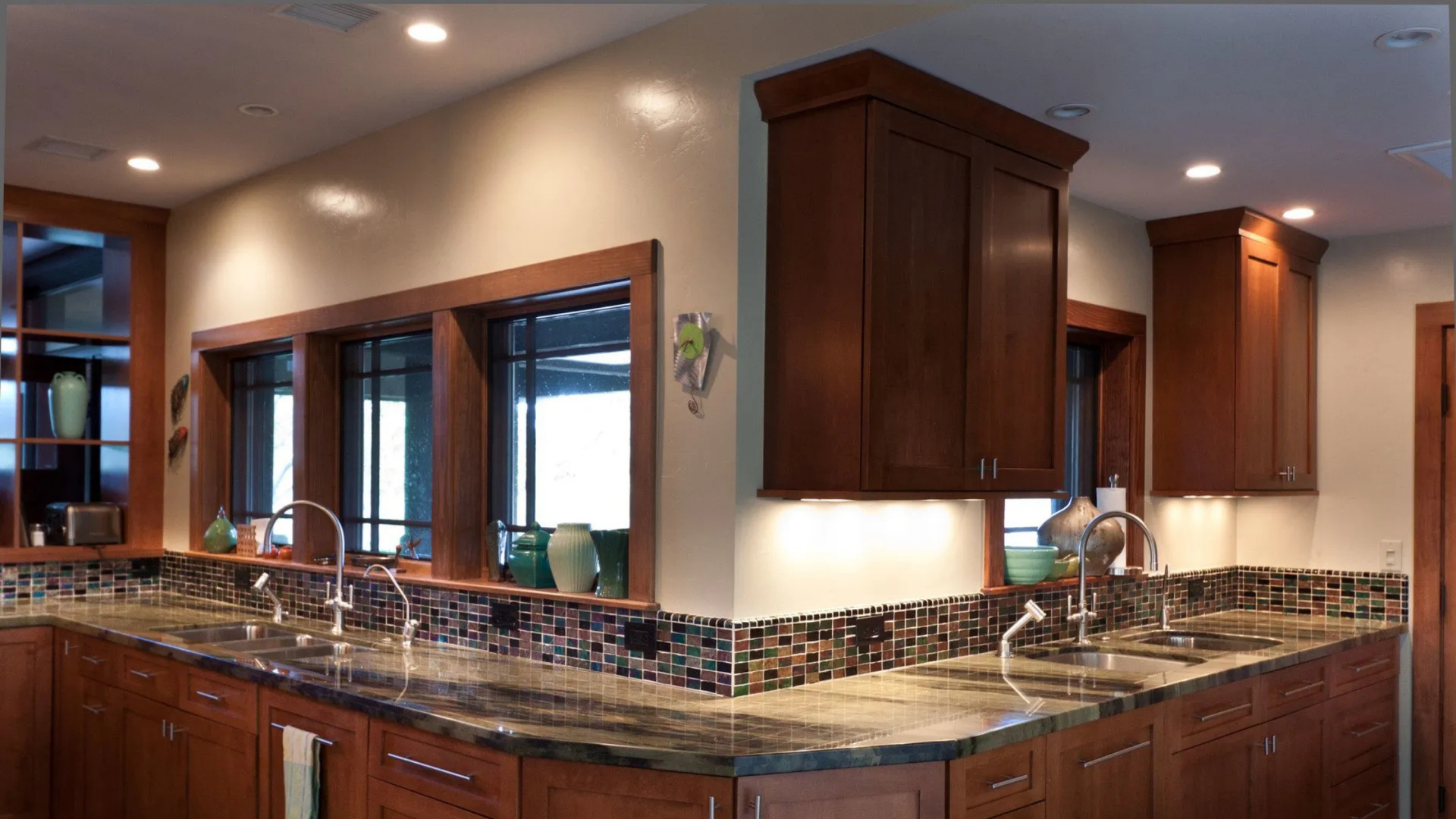
The edge around your sink takes more abuse than almost any other part of a countertop . You carry a heavy pot over, drag it into the sink, or pull it back out and catch the edge; a pan slips out of your hand; a cast-iron skillet bumps the opening. These kinds of things happen all the time without incident. Then, one day, you notice a little chip. We get phone calls every week from homeowners asking whether we can repair chips around a sink cutout. In many cases, they can be fixed. There are local craftsmen who specialize in that work, but even a small repair may cost a couple hundred dollars. I’d rather see that damage not happen in the first place, but accidents will always happen. That’s why we’re now offering a rounded sink cutout designed to reduce the sharp edge that commonly gets chipped. Why Sink Edges Are So Vulnerable An undermount sink sits below the countertop, leaving the finished edge of the stone exposed. Our standard sink opening has a flat polished edge with a small radius along the top. It looks clean, but there’s still a defined edge where an impact can concentrate its force. The sink is also one of the busiest parts of the kitchen. You’re washing dishes, rinsing produce, filling pots, and moving heavy cookware across that opening every single day. Common causes of sink-edge damage include: Dropping a pot or pan near the opening Dragging heavy cookware into the sink Hitting the edge while lifting dishes out Bumping the stone with cast iron or metal utensils Repeated impacts in the same high-use area Stone is strong, but a narrow edge can still chip when it takes a direct hit. What Is a Rounded Sink Cutout? We’re offering a sink cutout with a 3/8-inch top round-over. Instead of leaving a sharper transition at the top of the opening, our tooling creates a smoother, more rounded profile, and that rounded shape takes away much of the little edge that normally catches the impact. There simply isn’t as much of a sharp point there for you to damage. The work is completed in our shop during fabrication. We use specialized tooling to shape and polish the sink opening before the countertop leaves our facility. It becomes part of the original build, instead of something added after installation. It’s a small detail, but it makes a meaningful difference in a place that gets used and abused every day. Prevention Is Better Than Repair A chip around a sink doesn’t mean the entire countertop has failed; most chips are small, and an experienced repair specialist may be able to fill and polish the damaged area. Still, a repair is a repair. It costs money, takes time, and there’s a chance it will never look exactly like the original surface. The rounded cutout is about prevention: We’re trying to remove that vulnerable edge before the countertop ever reaches your home. I’ve been waiting to offer this option for a while. We had the tooling, but getting it properly set up with our equipment took some work. Now that everything is running correctly, we can include the rounded profile during fabrication on many new projects. There may be limitations with certain sink styles or countertop designs, so we’ll review the details before recommending it. The most important thing is that each sink looks beautiful and endures daily wear and tear in your home. The Little Details Matter Most homeowners start a countertop project by thinking about color, movement, and finish. Those choices matter, but fabrication details also affect how the surface performs over time. That’s part of why we fabricate our countertops in-house. We can look at the material, the sink, the layout, and the way the kitchen will be used. Then we can talk through options that might help the finished surface hold up better. You may never notice a well-made sink edge when you’re standing across the room, but you’ll notice it when you’re moving a heavy pot through the opening and don’t have to worry as much about catching a sharp corner. Come see the rounded sink cutout in our kitchen display. Bring your plans or a sketch, and we’ll help you decide whether it makes sense for your project. Greenlee: Designing Surfaces For Your Life
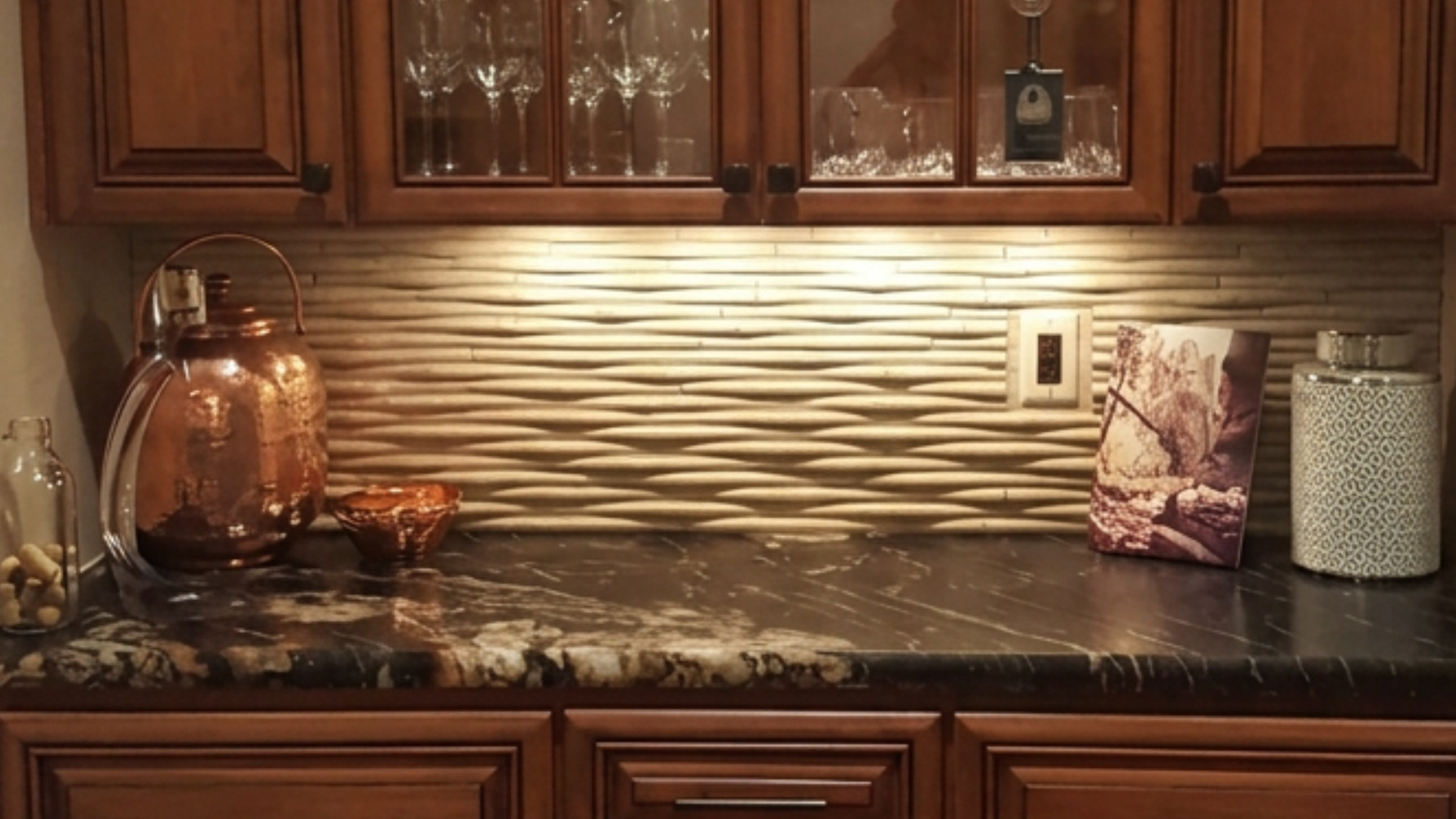
When people hear “ granite countertops ,” they usually picture a kitchen island or a long run of cabinets around a sink. That’s where a lot of stone goes, but it’s certainly not the only place it belongs. We’ve installed granite and other custom surfaces in laundry rooms, bars, fireplaces, showers, dining areas, and outdoor spaces. Sometimes, a smaller project is exactly what a room needs to feel finished. It can also be a good opportunity to use a remnant with color or movement that might be too bold for an entire kitchen. I’m a rock hound. I fall for every pretty rock I find. When the right piece lands in the right place, it can turn an overlooked corner into one of the most interesting parts of a home. Give the Laundry Room a Lasting Work Surface We’ve been doing a lot of laundry rooms lately. Many newer homes come with laminate counters in these spaces because the builder is trying to keep costs down. A year later, the homeowner decides, “I really want a piece of stone in my laundry room.” That makes sense. Laundry rooms see detergent spills, damp clothing, baskets, and plenty of daily use. A granite or quartz surface gives you a durable place to sort, fold, and organize. It also makes the room feel connected to the rest of the home instead of treated like an afterthought. You don’t always need a full slab for this type of project. Depending on the size and layout, we may be able to find a remnant that fits the space and adds some personality. Add Stone to Bars and Gathering Areas A home bar, serving counter, or built-in beverage area is another natural place for stone. These spaces often become gathering points, so the surface needs to look good while handling glasses, bottles, spills, and regular cleanup. Stone can also work well on block-built seating, benches, and other custom features. We once worked on an outdoor space where the homeowner built the seating from block, and we installed stone across the top. It created a finished surface that was comfortable, useful, and tied the whole area together. Other places worth considering include: Fireplace hearths, surrounds, and mantels Dining and occasional tabletops Shower benches and niche shelves Caps for shower pony walls Deepened window sills Raised bars and built-in serving spaces Choose Outdoor Materials Carefully Outdoor kitchens and barbecue areas need extra planning. The biggest issue isn’t always the temperature. Arizona sun can be very hard on slab materials because many natural stones are resin-filled. That resin may not perform well under constant sunlight. For outdoor projects, I often recommend an ultra-compact surface such as Dekton or a leathered natural stone. During the leathering process, much of the resin near the surface gets pulled out through the type of polishing used. That can make leathered stone a better choice outside. Some stones aren’t resin-filled at all, but there aren’t many of them. We may need to talk with our suppliers and find out what’s available before recommending a particular slab. Make Small Spaces More Useful Window sills are a good example of a space people rarely think about. A typical sill may only be three, four, or five inches deep. You can set a small plant there, but water and soil may leave the painted surface looking dirty. Adding a stone sill can extend it by a couple of inches and make it more functional. The same idea applies to shower niches. A shelf that extends slightly beyond the niche gives you more room for the things you use every day. These aren’t always large projects, but good design isn’t measured only in square feet. It’s about noticing where a beautiful, durable surface can make life easier. Find the Right Stone for the Right Place You don’t have to limit granite to the kitchen, and you don’t have to go to Phoenix to find something special. Bring us a sketch, a few measurements, or pictures of the space. Come walk through the showroom and look at the full slabs and remnants. Let’s find a surface that makes an ordinary space feel useful, finished, and completely yours. Greenlee: Designing Surfaces For Your Life
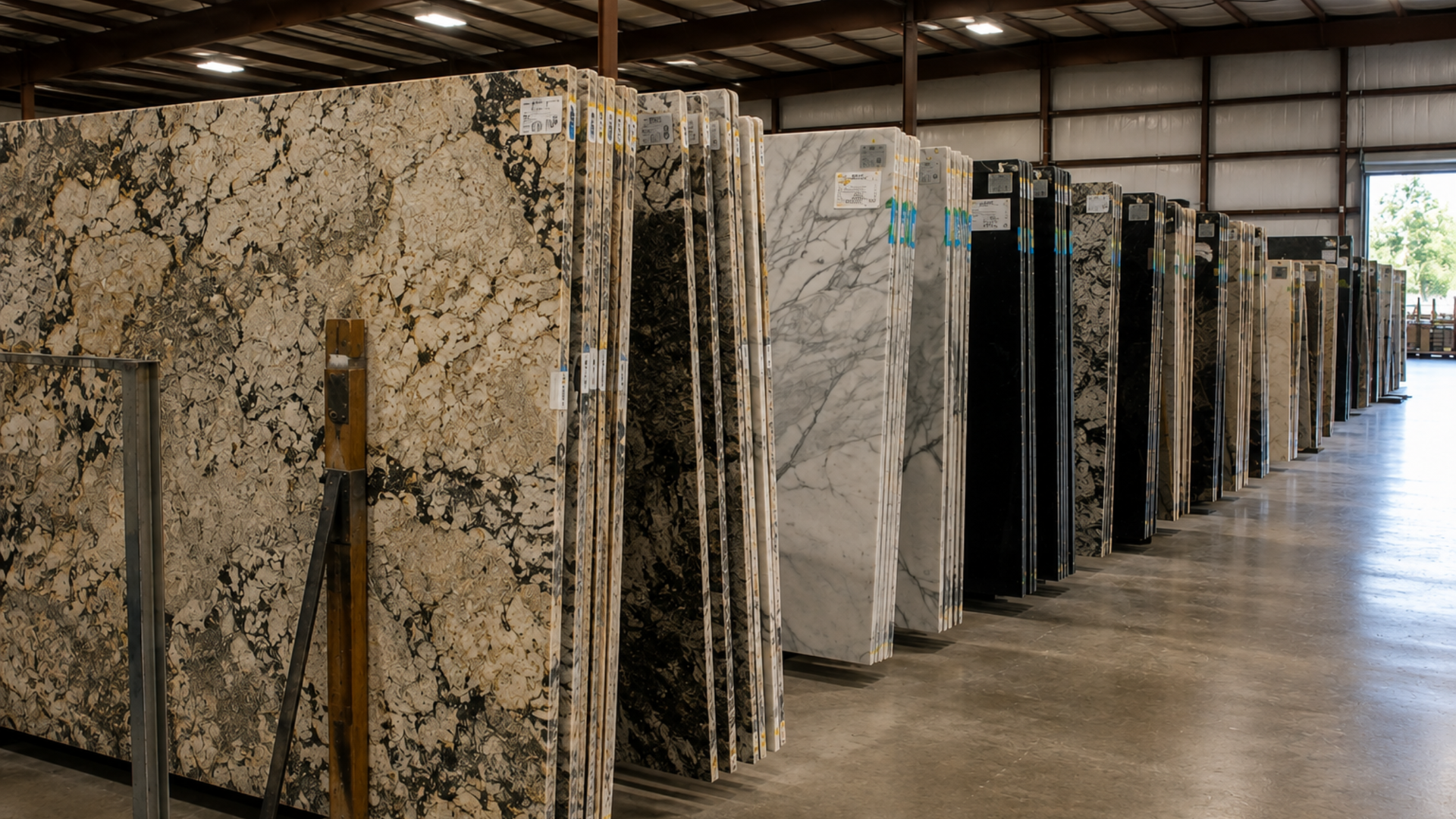
A Slab Has a Story Before You Ever See It Most people see a slab in a showroom and think, “That would look great in my kitchen.” That’s the fun part. I like that part, too. But before that stone ever reaches the showroom, it has already been through a long trip. It has been cut, finished, bundled, lifted, braced, loaded, shipped, unloaded, sorted, hauled, and handled again. A finished countertop feels solid. A loose slab is different. It’s big, heavy, and thinner than people expect. It has strength, but it still needs careful handling. Every move matters. The Trip Starts Far From Your Kitchen After a slab is processed, it usually gets stored with other slabs from the same bundle. Then an order comes together, and that bundle gets moved to a staging area. From there, workers secure it with boards and braces so it can survive the container ride. Then the slab begins the shipping side of the journey. It may be: Loaded into a container Hauled to a port Lifted and stacked Placed on a ship Unloaded at another port Moved through customs Trucked to a warehouse or transfer yard That’s a lot of steps before it ever reaches a supplier, distributor, or fabricator. And stone does not get handled like a couch. You don’t just grab a corner and carry it through a doorway. Moving slabs takes equipment, space, skill, and care. Why Extra Moves Create Risk Every time a slab moves, something can happen. It can get chipped. It can flex. It can bump another slab. A forklift can set it down too hard. A strap can put pressure in the wrong spot. A long highway ride can be rougher than people imagine. That doesn’t mean every slab gets damaged. Most arrive fine. But risk adds up with each stop. A slab that goes from the factory to a port, then to a major warehouse, then to another regional location, then to a showroom, then to a fabricator has had quite a journey. If customers pull it out several times to look at it, that adds even more handling. That’s why I pay attention to how material gets here and how often it gets moved after it arrives. Why Our Inventory Helps One reason I like having our own slab inventory in Prescott is control. When material comes to us, we unload it, inspect it, and store it. If it’s polished material, we may keep it inside to protect it from the sun. Once it’s here, we try not to move it more than needed. That matters. When you choose a slab already at Greenlee, it doesn’t need another trip from Phoenix before fabrication starts. It doesn’t have to be pulled from a supplier’s rack, loaded on a truck, brought to our shop, and unloaded again just so we can begin the job. Fewer moves can mean less risk and a more predictable process. From Slab to Countertop Once you choose your material, the slab still has work ahead. We measure the space, create the template, plan the layout, cut the pieces, polish the edges, prepare the sink and cooktop openings, load the finished tops, and install them in your home. That is the part most people picture when they think about countertop fabrication . But by then, the stone has already traveled a long road. I think that history makes the final piece more interesting. That slab may have crossed oceans and highways before it became the place where your family makes dinner, opens mail, rolls out dough, or sets down groceries. It started as a raw material, then became a surface made for your life. So when you come in to choose stone, take your time. Look closely. Ask questions. Let us show you what makes each slab different. Come see us, and let’s find the one that belongs in your kitchen. Greenlee: Designing Surfaces For Your Life
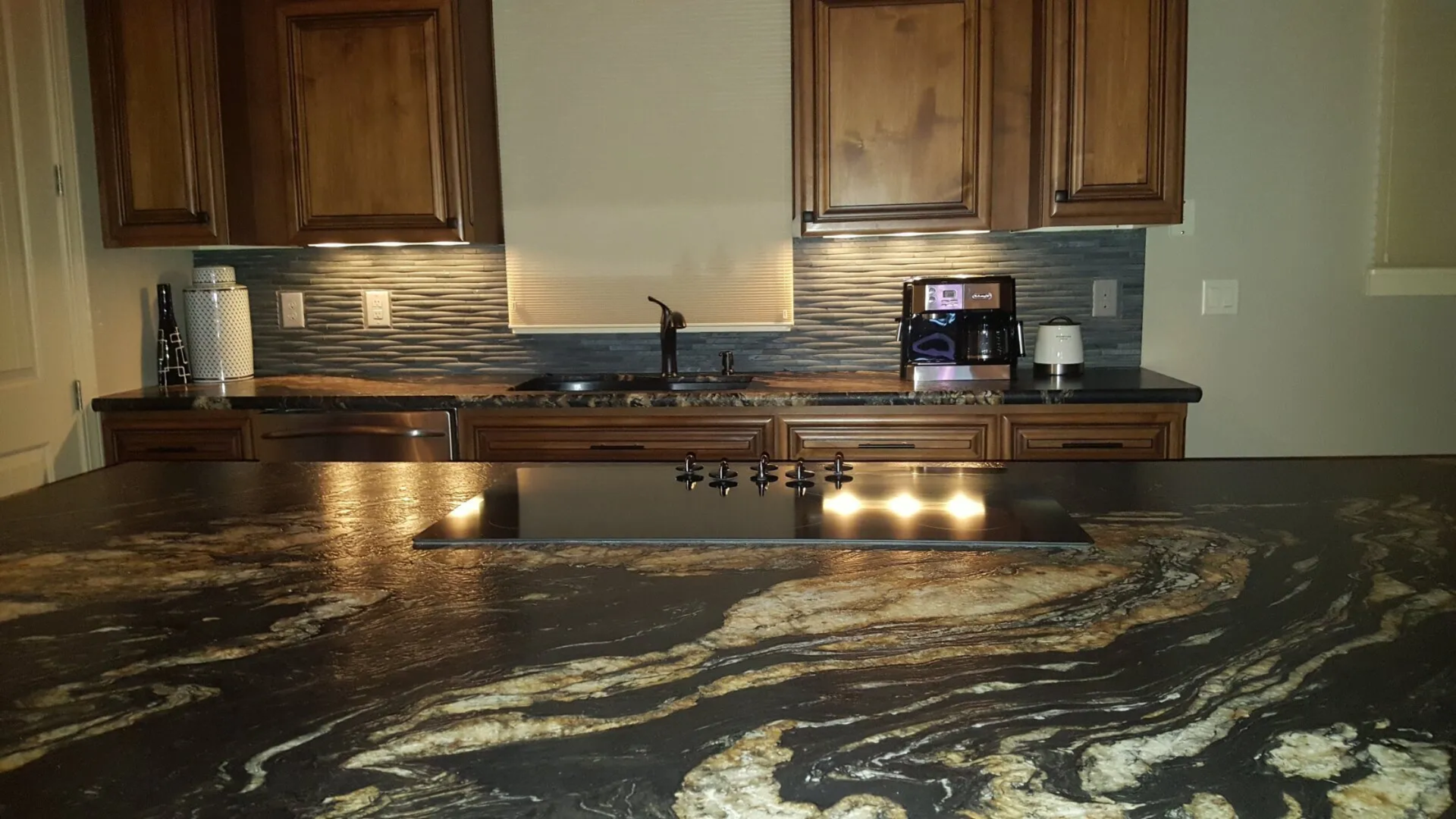
A Better Countertop Job Starts Before Template Day If you build custom homes, you already carry enough on your plate. Cabinets, flooring, trades, inspections, clients, schedules, weather, backorders. It all stacks up fast. Countertops can either help the project come together or slow everybody down. That’s why I like it when builders bring the stone fabricator into the conversation early. Not after the cabinet package is sold. Not after the homeowner has picked something from a picture. Early, when there’s still time to plan the job the right way. I had a retired general contractor tell me he never liked running countertops through the cabinet company. His reason was simple. He wanted to know the fabricator. He wanted direct answers. He wanted fewer problems. I understood exactly what he meant. Stone Needs Its Own Set of Eyes A cabinet layout may look clean on paper, but countertops have details that don’t always show up in a cabinet drawing. We’re looking at seam placement, sink cutouts, edge detail, overhangs, support, slab size, movement in the material, appliance openings, wall conditions, and how everything will feel once the homeowner stands in that kitchen. Those things need a stone person. I’m not saying cabinet companies don’t care. I work with several good ones. But cabinet people think like cabinet people. Stone people think about the slab, the cut, the polish, the install, and the parts that can cause trouble if nobody catches them soon enough. When we’re involved early, we can help spot questions before they turn into field issues. What Builders Gain by Going Direct Hiring your stone guy direct gives you a cleaner chain of communication. The homeowner can ask real questions. The builder gets better information. The fabricator understands the job before the crew shows up to measure. That helps with: Cleaner expectations for the homeowner Better answers before selections become final Fewer surprises after cabinets are installed More control over material, layout, and schedule A clearer path if something needs attention That last one matters. If there’s a question on site, you don’t want to track down three people just to find out who made the decision. You want to call the person who knows the stone and can solve the problem. A Direct Relationship Protects the Build A countertop job has a lot of small decisions. Most of them are easy when the right people talk early. They get harder when the information gets passed around secondhand. I’ve seen jobs where the homeowner thought one thing, the cabinet company thought another, and the fabricator got a work order with half the story. That’s how small misses become big headaches. Our process is built to prevent that. We want drawings. We want questions. We want the homeowner to see material when that helps. We want to know if there’s anything unusual before we template. That way, when we get to fabrication and install, we’re not guessing. Local Fabrication Makes a Difference Greenlee is not a name on a subcontractor list from out of town. We’re here in Prescott. Our showroom, inventory, shop, and install process are all connected. That helps builders who care about quality . You can send clients to us, or you can bring plans in yourself. We’ll walk through the project, talk through the material, and help keep the countertop part of the build from becoming a mystery. I’m not the cheapest guy, and I’m fine saying that. If the only goal is the lowest number, I’m probably not your guy. But if you want a countertop partner who knows stone, pays attention, and stands behind the work, come see us. Bring the plans in. Let’s talk about the job before it ever gets complicated. Greenlee: Designing Surfaces For Your Life
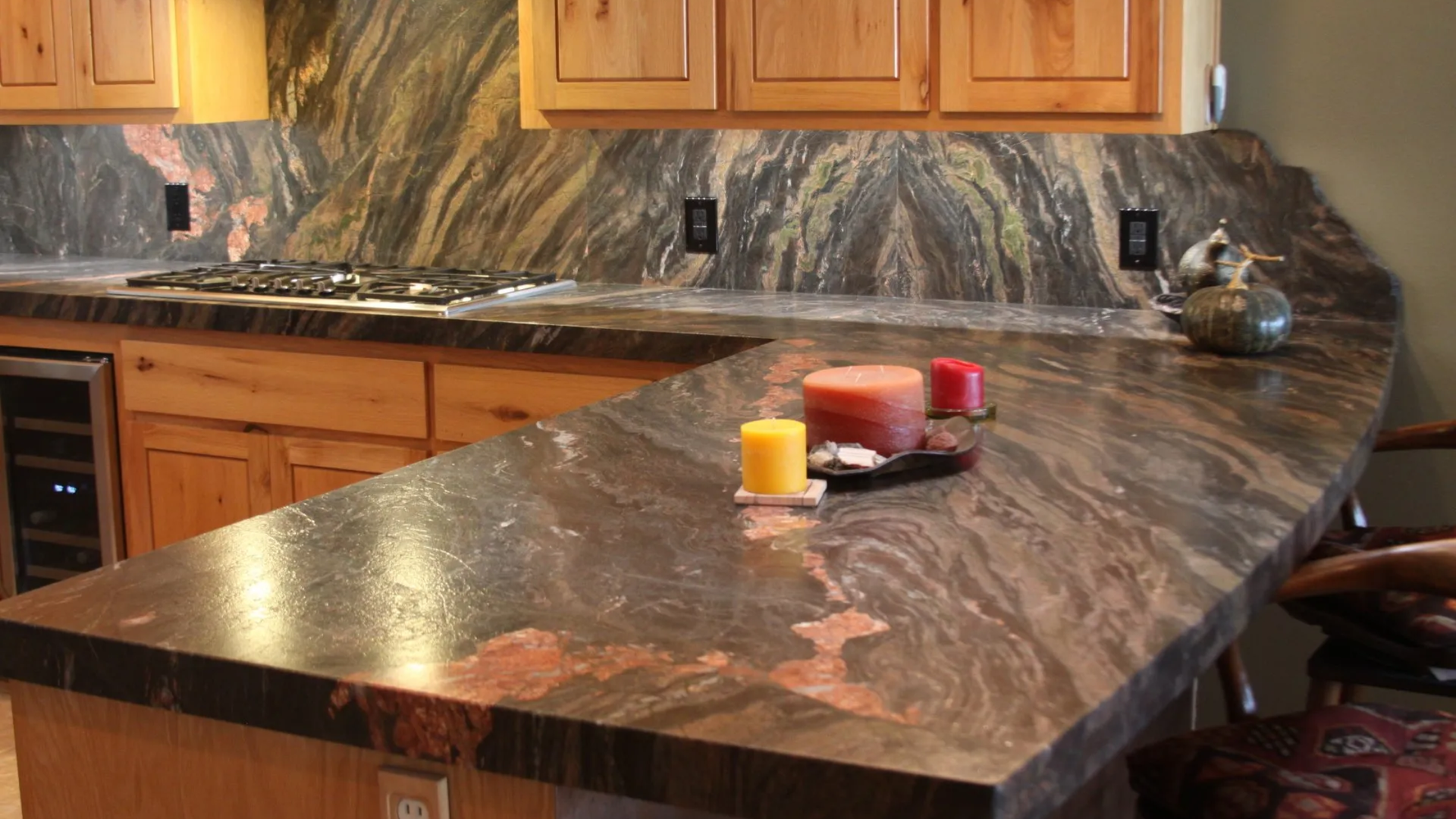
Your Countertops Deserve More Than a Hand-Off When you’re planning a kitchen , it can feel easier to let one company bundle everything together. Cabinets, countertops, sinks, install dates. One package sounds nice. But I think countertops deserve a more personal conversation. You’re going to see that stone every morning. You’ll set coffee on it, cook on it, gather around it, wipe it down, lean on it, and live with it for years. It’s too important to treat it like a line item buried in somebody else’s estimate. When you work directly with your stone fabricator, you get to talk to the people who know the material and will handle the work. That changes the experience. You Should Know Who Is Cutting Your Stone Sometimes homeowners don’t know who their countertop fabricator is until someone arrives to measure. The sale happened somewhere else. The questions went through somebody else. The material choice may have been made without much guidance from a stone person. That can leave you with the challenge of always being at least one step away from the answers you need. At Greenlee, we like to meet you before the project gets too far down the road. Bring cabinet drawings, rough measurements, photos, or even a sketch on paper. We can work with that. We’ll talk through what you like, what your space needs, and what might affect the finished countertop. You don’t need to know all the terms. That’s our job. The Right Questions Help You Choose Better Stone is visual, but it’s also practical. A slab might look beautiful and still not be the best fit for your kitchen. Another piece might pleasantly surprise you once you see it in person. That’s why the conversation matters. We may ask about: How busy your kitchen gets Whether you like quiet patterns or bold movement What cabinet color and flooring you have Which sink style you want Where seams may make the most sense What edge feels right for the room None of that is meant to make the process harder. It helps us guide you toward a surface you’ll be happy with after the excitement of the remodel wears off. I always come back to one question: what makes you feel good? Seeing Stone in Person Matters Pictures can help you narrow things down, but they don’t tell the whole story. Stone changes with light. Colors shift. Veins in granite look different from one end of the slab to the other. Texture matters, too. That’s why I like people to come walk through the showroom. You don’t have to go to Phoenix to find good material. We keep slabs here in Prescott, and when you choose from our inventory, we can talk through the piece while you’re standing in front of it. I’m a rock hound. I enjoy that part. I like helping people notice the details, because those details are what make the finished kitchen feel personal. Direct Access Means Clearer Answers A remodel already has enough decisions. You shouldn’t have to chase basic countertop information through a chain of people. When you hire direct, you know where to call. You know who helped you choose the material. You know who is fabricating it. You know who is installing it. If a question comes up, you’re not starting over with someone new. That creates a calmer process from selection to install. Greenlee has served Prescott for 29 years. We’ve seen a lot of kitchens, a lot of materials, and a lot of situations that could have gone sideways if no one asked the right question soon enough. So bring a sketch and come see us. We’ll help you slow the decision down, understand the stone, and choose something that feels right in your home. Greenlee: Designing Surfaces For Your Life
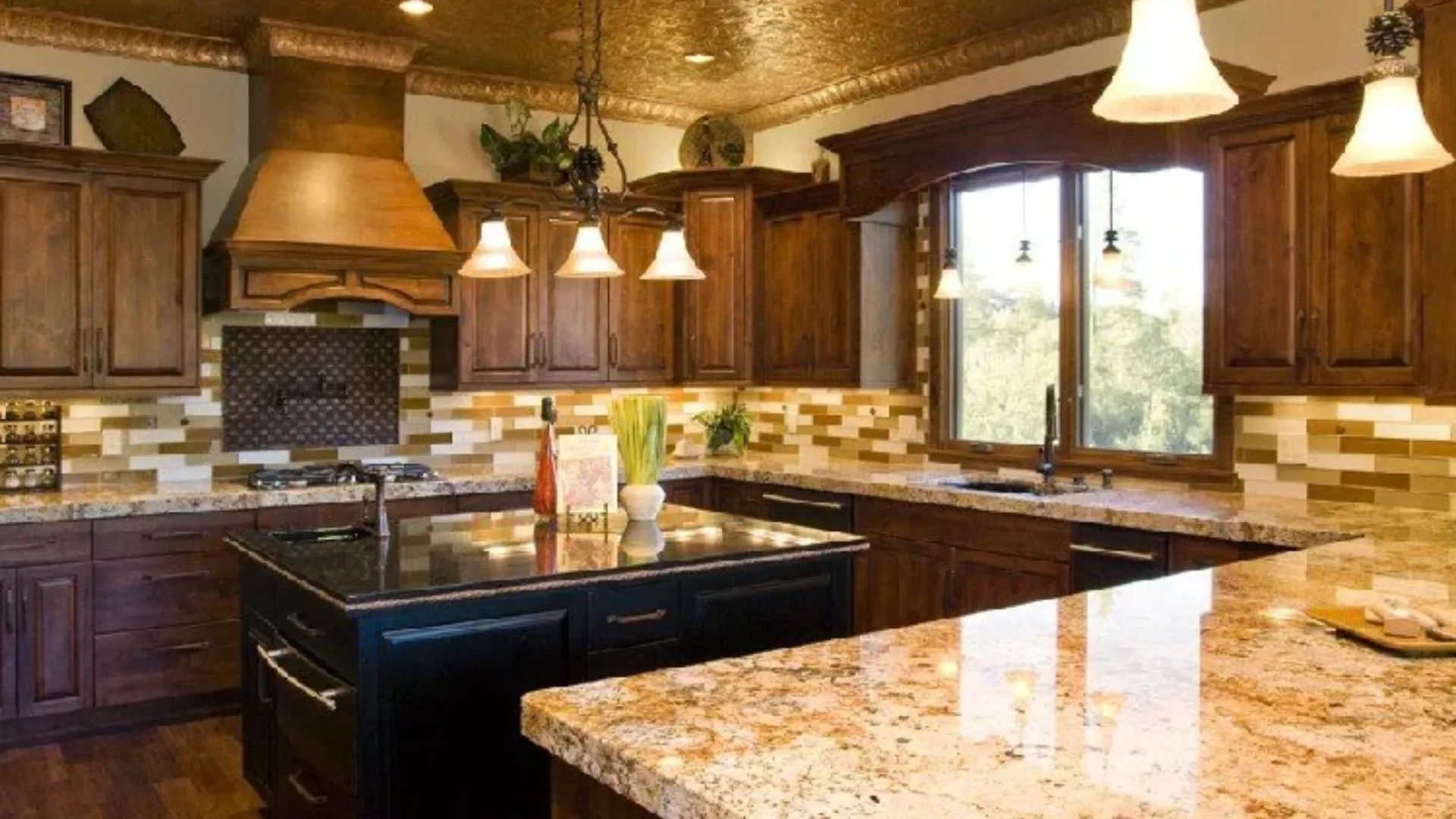
Start With the Feeling A kitchen remodel has a lot of moving parts. Countertops , backsplash, cabinets, flooring, lighting. Every piece matters, but they don’t all need to be the star. That’s where designer surfaces come in. The goal isn’t to make everything match perfectly. The goal is to make everything work together so when you walk in, it just feels good. Let One Material Lead Sometimes a customer finds a quartzite or natural stone that is absolutely gorgeous. It has movement, color, and that “wow” factor. Then they see the price and say, “My gosh, I can’t afford that everywhere.” That’s when we start talking through options. Maybe that special stone goes on the island, where everybody hangs out. Then we find something calmer for the perimeter countertops. You still get the material you love, but we use it where it makes the biggest impact. Materials Should Complement, Not Fight The trick is finding materials that don’t fight each other. They need to complement each other. If an island stone has aqua green running through it with soft cream tones, we can pick up that cream on the perimeter. Maybe it’s an engineered quartz . Maybe it’s a quieter natural stone. It doesn’t have to be identical. It just has to belong. That’s where experience helps. We look at the whole room, not just one sample at a time. Smart Pairings Can Help the Budget Using more than one surface can also help manage the budget without giving up the part you really love. A few combinations that can work well are: A bold quartzite island with simple quartz perimeter counters A soft natural stone perimeter with a more dramatic backsplash A quiet countertop with a special cooktop backsplash area Warm cream tones paired with natural wood cabinets Subtle engineered quartz with one strong focal-point surface Sometimes we can take a third off the cost, or at least make the project more comfortable, by putting the premium material in the right place instead of everywhere. Don’t Forget the Backsplash I’m not always a fan of using the same countertop material as a full backsplash. Sometimes it’s just too much. Even if the material is subdued, everything becomes kind of there, and nothing really stands out. A backsplash is a chance to create something special. If your cooktop area is a natural focal point, we can do something there that makes you stop and say, “Wow, that’s really cool.” It depends on the kitchen layout. Where’s the cooktop? Where’s the sink? Where will you be standing every day? Those details matter. The Right Choice Is Personal Countertops and backsplashes are emotional deals. Yes, there’s some critical thinking involved. You have to think about durability, cost, layout, and how the materials work together. But at the end of the day, it comes back to one question: does it make you feel good? If it makes you feel good, then you probably made the right decision. Bring Your Ideas In You don’t need to have it all figured out before you visit us. Bring pictures, bring cabinet samples, bring a sketch, and come see us . We’ll help you look at the materials together and find a plan that feels right for your home. Designing Surfaces For Your Life
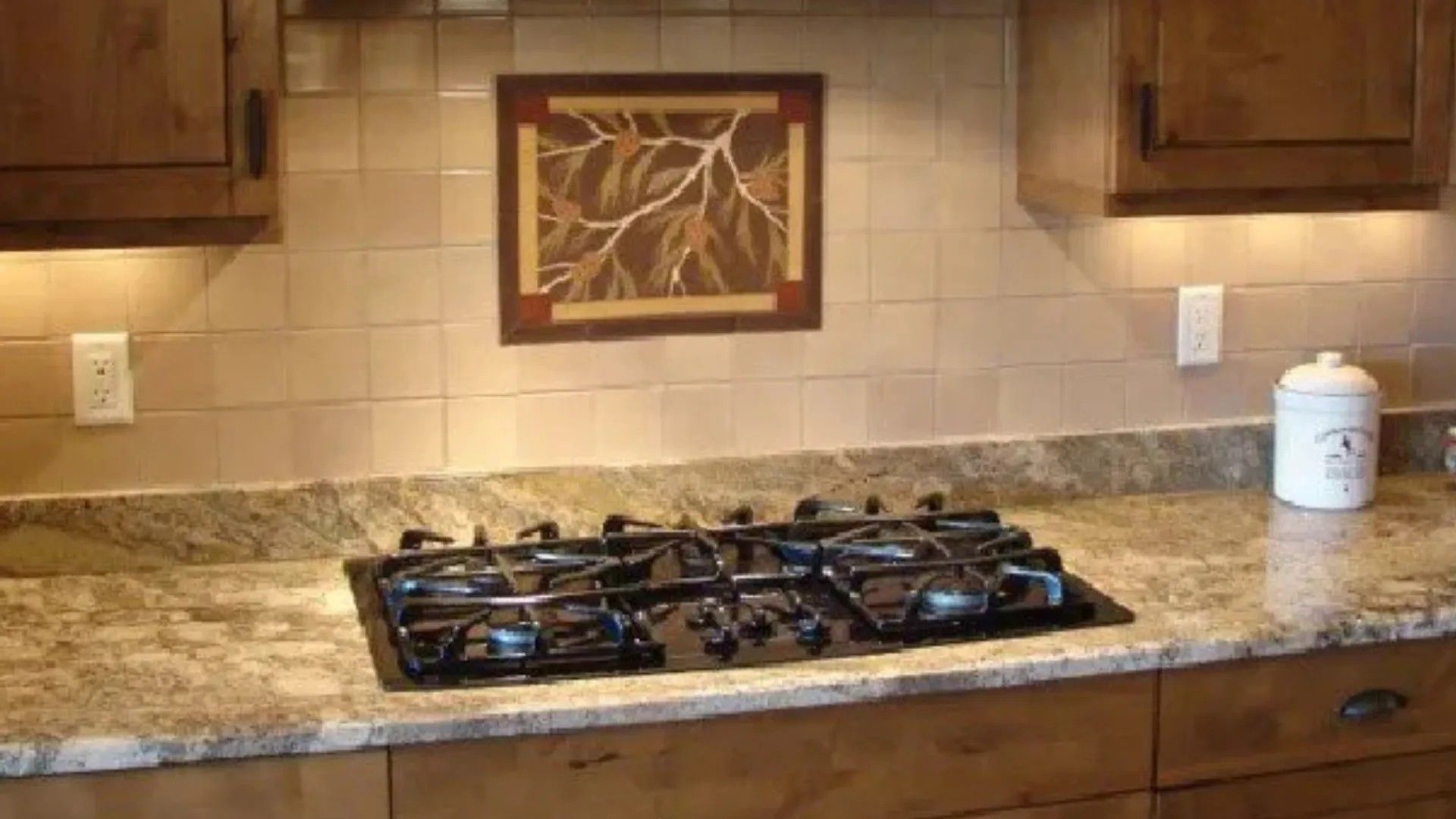
Custom Starts Before We Cut A custom granite countertop isn’t just picking out a pretty slab. I’m a rock hound, so yes, I love the stone. But the real custom work happens in the little details most people never see. When we template a kitchen, we don’t just measure walls and cabinets. We look at how everything lines up, where things are out of square, and what needs to be adjusted so the finished countertop feels right. The Reveals Have to Look Right One thing we pay close attention to is the reveal. That’s the small gap or edge you see where the countertop meets an appliance, cabinet, wall, or panel. For example, a range opening may look fine at first glance, but sometimes it’s a little wider in the back than the front. Maybe the cabinet opening is supposed to be 30 inches, but it’s 30 and an eighth. Or 29 and seven-eighths. That little bit matters a whole lot. We check those details so the countertop doesn’t just fit. It looks intentional. The Hidden Details We Watch For A lot of custom work comes down to small adjustments, including: Making cooktop and range openings square Keeping sink cutouts square to the countertop edge Matching edges so thickness looks consistent Following a wood panel when it’s slightly out of square Cleaning up tiny chips or granules in natural stone Polishing and epoxy-filling small spots along the edge Cutting large island radiuses without flat spots Most people won’t notice each one on its own. But they’ll feel the difference when the whole kitchen looks clean, balanced, and finished. Why Digital Templating Matters We use digital technology because it helps us cut out a lot of the human “oopses” from the process. I go out with a laser head and a tablet, and that measuring system is tied into AutoCAD. I can check angles while I’m standing there. If something doesn’t look quite right, I can see it and adjust for it before we ever cut the stone. That’s a big deal. The old method with glue strips, hot glue, staples, and a square can work, but there are more chances for something to move or get missed. With our CNC equipment, tolerances get a lot tighter. When we cut a radius, that machine follows the path down to a 32nd of an inch. That’s how you avoid those little flat spots that can make a beautiful island feel just a little off. Natural Stone Needs a Human Eye Granite is natural stone , and every piece is a little different. Thickness can vary slightly from slab to slab. Edges can have tiny areas that need attention after fabrication. That’s where craftsmanship comes in. We build, fill, polish, and check those pieces so the edges look consistent and smooth. It’s not about rushing a slab through the shop. It’s about making sure the finished countertop looks like it belongs in your home. What You Don’t See Still Matters The best custom details are the ones you may never point out. You just walk into the kitchen and everything feels right. The range sits clean. The sink lines up. The island curve looks smooth. The countertop meets the cabinets in a way that makes sense. That’s the kind of work we care about. Come see us, bring your sketch, and let’s find what makes you feel good. Designing Surfaces For Your Life
Share On: